DVD-quality lessons (including tabs/sheet music) available for immediate viewing on any device.
Take your playing to the next level with the help of a local or online banjo teacher.
Weekly newsletter includes free lessons, favorite member content, banjo news and more.
Premier Sponsors


|
Please note this is an archived topic, so it is locked and unable to be replied to. You may, however, start a new topic and refer to this topic with a link: http://www.banjohangout.org/archive/396111
euler357 - Posted - 03/03/2024: 15:38:32
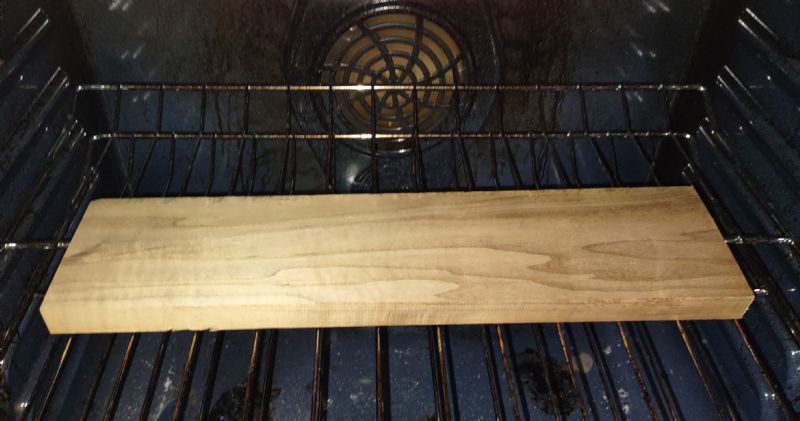
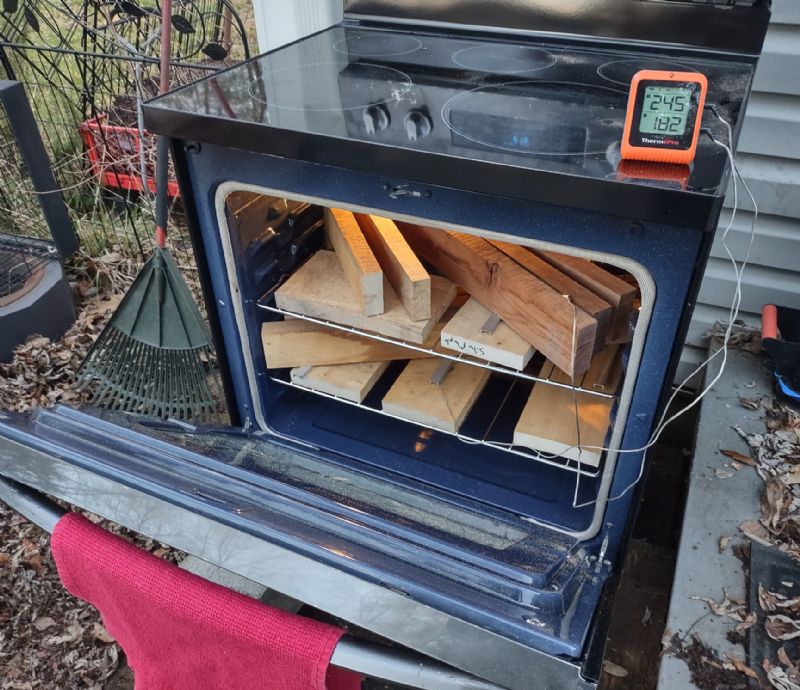
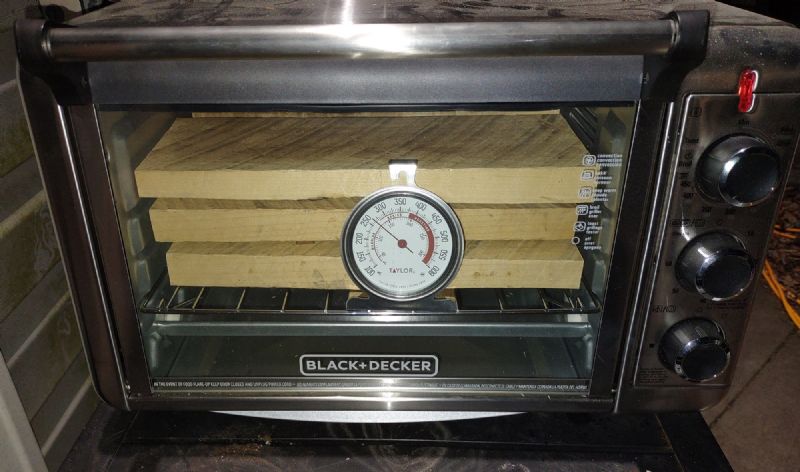
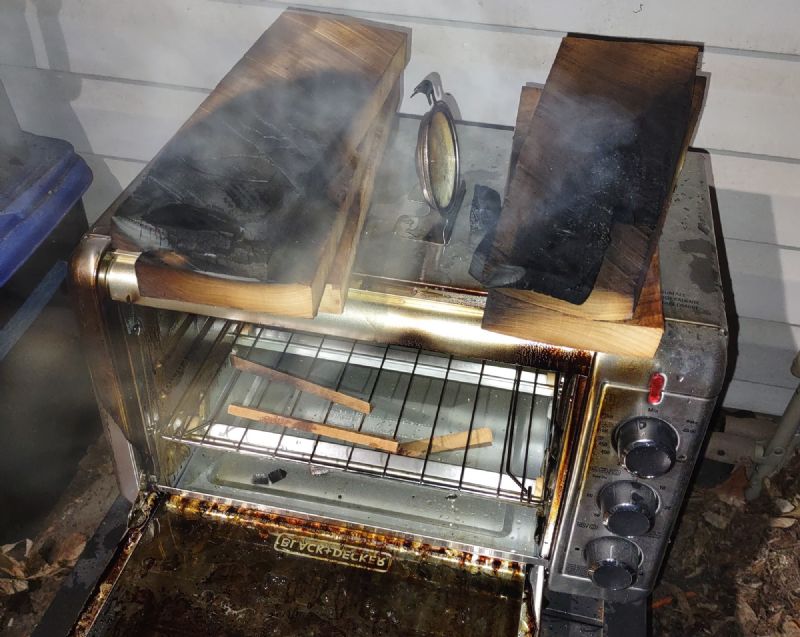
So... I read an article on roasting maple at home and saw this guy's video and decided to try it myself. The first batch was in my kitchen oven and went pretty well but had the side effect of making the house smoky and smelling like toasted maple syrup for a week. I decided that I wanted to do more of it and tried with a small convection "toaster" oven that I had for other workshop use. It did not go well. The small oven wasn't able to maintain a constant temperature and burned the wood on the outside and ended up just being a big mess. I tried again in the kitchen oven with a much larger batch and found that it still worked really well but the wife and I can't live with the smoke/fumes in the house so I got a second hand convection oven that I have just finished installing on my deck in the back yard. There was an existing connection for a hot tub that we no longer have so there was no addition house wiring needed.
I've got my first batch in the outdoor oven loaded up now and will post more photos of the results.
I figured out that it takes about 3-4 hours total if you just stick the oven on 360 convection and let it go but the results are MUCH more even if it is heated to 250 or so for 2 hours to completely dry the wood then raise the temperature to 360 for the roasting part.
The oven is 24in x 18in inside which means that I can get about 27" diagonally in it which is enough for a banjo neck :)
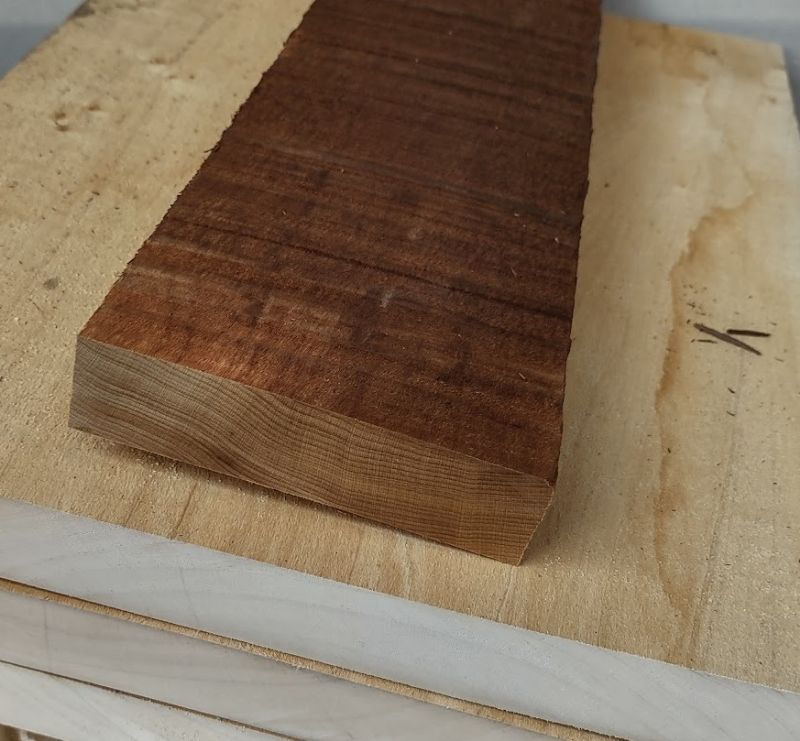
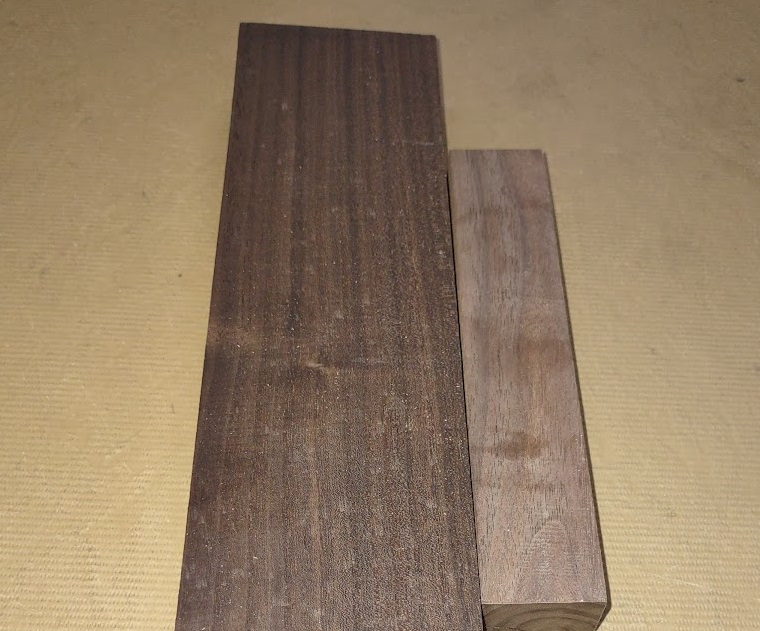
Here are some photos of the trials and results. The roasted piece and non roasted piece in the photo are from the same board.
Edited by - euler357 on 03/03/2024 15:41:14
jdeluke137 - Posted - 03/03/2024: 15:46:59
Your wife must be a real keeper. Mine is very tolerant and might have let me take one run at it in the kitchen, but would have stopped the second.
Are you trying this for bridges or whole banjos?
euler357 - Posted - 03/03/2024: 15:56:08
I'm trying to both build bridges and build banjos from it. The ~27" length is enough for a neck which is what I have in the oven now. I'll do a block rim with the smaller pieces.
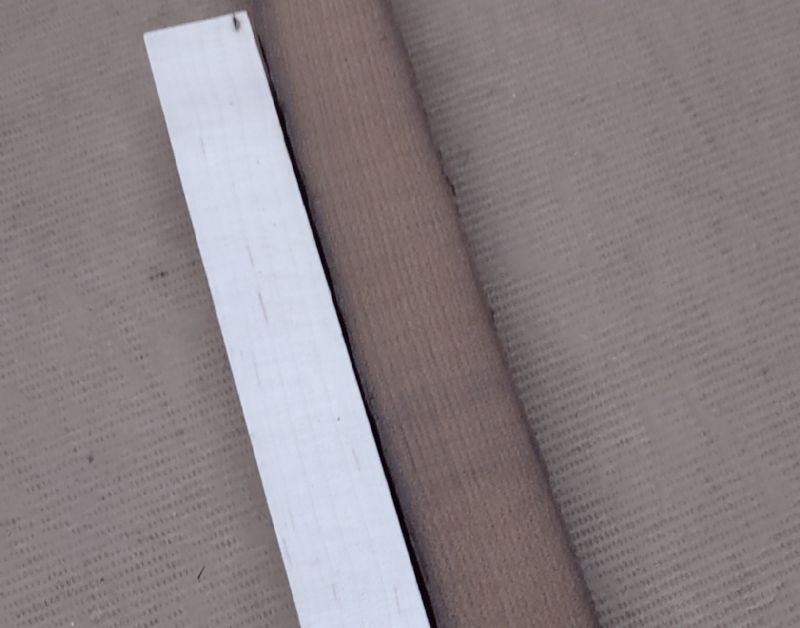
Here are some photos of the before and after with maple and walnut. The maple really turns dark due to the sugar in it but the walnut gets much darker also.
Yeah, my wife (Lee) is pretty tolerant of my activities (like installing a stove in the backyard).
Edited by - euler357 on 03/03/2024 16:00:49
The Old Timer - Posted - 03/03/2024: 16:16:19
I thought in the torrefication process it was done with no oxygen in the chamber?
euler357 - Posted - 03/03/2024: 16:27:05
Yup. Me too on thinking this but I've seen several examples online and this is now working for me pretty well in a full-size convection oven. My guess is that either the fumes/smoke are from some amount of combustion in the oven that reduces the oxygen, maybe it oxidizes only the outer skin of the wood, or maybe it only becomes a big issue when doing a large quantity. I haven't done extensive testing on it but I can't tell the roasted maple that I've done vs that which I bought.
banjered - Posted - 03/03/2024: 16:48:59
Ummm! Roasted banjo! Don't forget the Worcestershire sauce. A little extra garlic wouldn't hurt a bit either. I admire your, uh, culinary enthusiasm! banjered
Alex Z - Posted - 03/03/2024: 16:57:15
"Roasted" and "baked" are casual terms attached to the torrefaction process. Might not take those terms literally. 
A good place to look for information is in the guitar area, where torrefied wood has been used for guitar tops for the last 10-15 years or so. Here is some information from Dana Bourgeois: acousticguitar.com/guitar-guru...strument/
Here is more information from Gryphon Strings: gryphonstrings.com/blogs/news/...uitar-top
My understanding is that the reduction of oxygen in the torrefication process is necessary because of the higher temperatures required, that would otherwise cause the wood to catch fire.
I suppose someone could use a "Memphis BBQ" process, at 225 degrees for 18 hours. That may work nice for a pork roast, but what will it do for the resins and lignins in the wood?
Bill H - Posted - 03/03/2024: 16:57:24
What is the moisture content when you are done, and will it come back up to 8 or ten percent over time? Or does this process change the wood so it won't absorb moisture.
Alex Z - Posted - 03/03/2024: 17:01:24
Torrefaction and kiln-drying are different processes. I don't believe that elimination of moisture is the objective of torrefaction, although that might happen during the process.
Dana Bourgeois has written a lot on torrefying wood for guitar building.
Edited by - Alex Z on 03/03/2024 17:05:23
notty pine - Posted - 03/03/2024: 17:06:05
Have you cut a piece to see if the roasting is even all the way through?
euler357 - Posted - 03/03/2024: 17:10:35
My understanding is that it gets really low and the moisture exits the cells of the wood. Supposedly, the cell walls keep the moisture from going back into the cells but some moisture is reabsorbed over days to weeks to stabilize to the environment.
I just ran out to the shop and tested some Maple with my Bessemeyer DS500.
Before oven: 10% (air dried wood over 2 years old and 6 months in my shop)
Piece done yesterday: 0.0% (maybe below measurement limit of meter)
Piece done two weeks ago: 6.5%
euler357 - Posted - 03/03/2024: 17:13:33
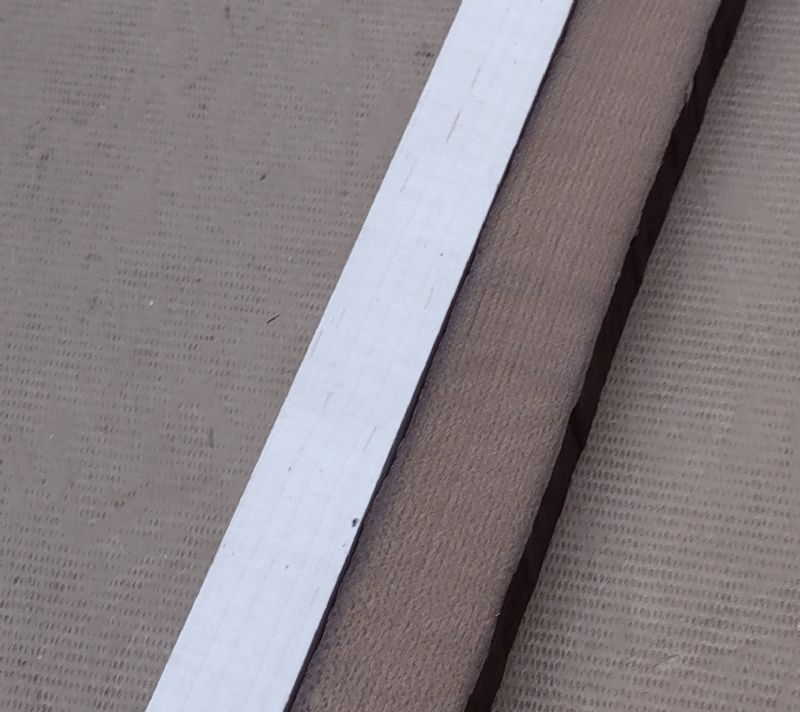
This piece was bandsawed from the middle of a 1x4 after roasting with the internal side up.
It is surprisingly even all of the way through.
lapsteel - Posted - 03/04/2024: 06:44:59
Harmony banjos used to be made from this. It was called Bakelite.
euler357 - Posted - 03/04/2024: 07:54:14
Bakelite was a resin/synthetic plastic material.
en.m.wikipedia.org/wiki/Bakelite
I believe that intentional torrefaction for instruments has only become a thing in the past 10-15 years
Will Frady - Posted - 03/04/2024: 08:01:49
Hey, Chris. This is all very interesting to me . Best of luck and keep us updated. Thanks
euler357 - Posted - 03/04/2024: 08:12:42
I'm still working out the time for the 360 temp. It's between 2 and 4 hours and seems to be pretty sensitive to the exact temperature and how much wood is in the oven. With a single piece of wood and good convection / air flow around it - it's probably around 2 hours. If it starts scorching, turn down the oven 10 degrees. My new oven is running about 10 degrees hotter than my kitchen oven - this is not unusual. I got this to take measurements in the oven.
lightgauge - Posted - 03/04/2024: 10:37:10
Thanks, Chris. I would like to make few bridges out of some and try it.
euler357 - Posted - 03/04/2024: 18:10:05
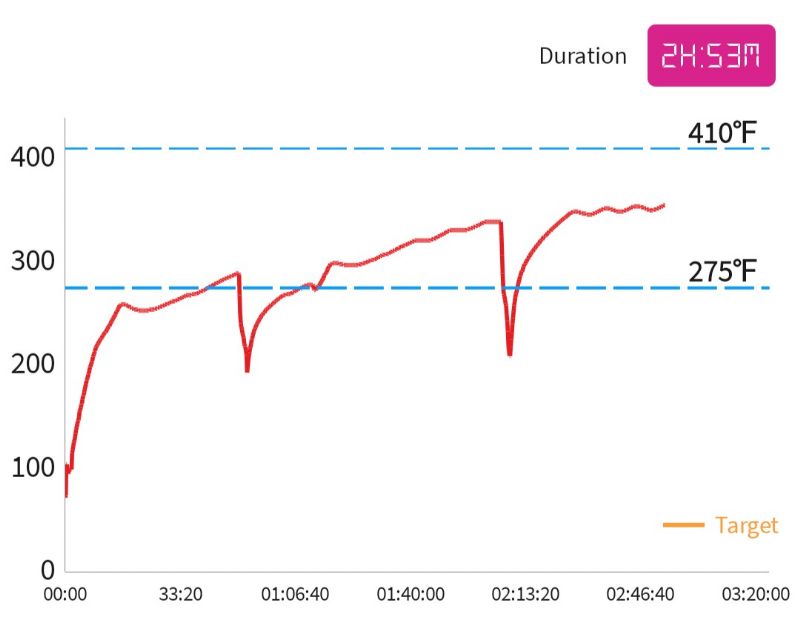
I tried a smaller batch today with Qty 4 1x3x27 neck blanks and Qty 4 1x6x14 pieces. It went faster with the following:
15 min warm up at 300
30 min at 300
flip wood
30 min at 300
45 min at 345
flip wood
45 min at 345
Done
Here is the temp chart from the wireless thermometer. The dips are when I opened the oven to flip the wood over.
Quickstep192 - Posted - 03/04/2024: 19:32:32
Cool stuff.
I wonder what would happen if the wood was put on an airtight vessel (like a piece of steel pipe) then a vacuum drawn until the pipe was devoid of air, then put in the oven.
euler357 - Posted - 03/05/2024: 03:53:58
It wouldn't get hot if it's in a vacuum since the heating method is convection. It would be like putting it in a thermos.
Dale Diehl - Posted - 03/07/2024: 05:26:59
Many camp sites require heat treated wood so invasive insects won't be brought in..
It was hard to find when I wanted some, so I loaded up my smoker. The government requires 135 degrees for 20 minutes, I think. I run the smoker up to about 250 and keep the wood in for about 30 minutes. Comes out a toasty brown. Definitely reduced oxygen in that chamber. Doesn't have the Gov stamp, but I have a clear conscience and I have plenty of wood to burn, 80 acres of Tennessee woods.
Shmockiebaby - Posted - 03/07/2024: 07:22:10
My wife came home early from Black Friday shopping once 30 years ago to find a smoky kitchen, and Alfa Romeo cylinder head in the oven, and a bunch of valve guides in the freezer.
This has been a very interesting discussion. I would also be interested in any long term issues or results.
PitMan - Posted - 03/07/2024: 09:17:06
quote:
Originally posted by euler357Yeah, my wife (Lee) is pretty tolerant of my activities (like installing a stove in the backyard).
Is the oven under some kind of overhang structure to keep it out of the weather?
euler357 - Posted - 03/07/2024: 10:07:41
It isn't completely under the roof but I have it sitting on concrete blocks and put a BBQ grill cover over it when not in use
BNJOMAKR - Posted - 03/07/2024: 13:43:43
quote:
Originally posted by ShmockiebabyMy wife came home early from Black Friday shopping once 30 years ago to find a smoky kitchen, and Alfa Romeo cylinder head in the oven, and a bunch of valve guides in the freezer.
This has been a very interesting discussion. I would also be interested in any long term issues or results.
Sorry that this is off topic, but you started It!
About 30 years ago, my first wife left me for a younger man. I was rebuilding a quadrajet carburetor and need something to boil it out with. So, since I wasn't using it, I used a large cook pot on top of the stove. She still had a key to the house and would come by while I was at work to get something she needed or wanted. Sometimes I didn't know something was gone until I went to get it, and that WOULD tick me off! I came home one day and she had been by and got some cookware to cook for her new feller, and this time she left a note. I went and looked in the cabinet and she had taken that pot! I had a GOOD laugh! The next week I went by her work to drop off some of her mail, and told her, "By the way... you might want to know that, the cook pot that you got last week, I boiled a carburetor out in it!" The look on her face was PRICELESS!
Edited by - BNJOMAKR on 03/07/2024 13:44:25
BNJOMAKR - Posted - 03/08/2024: 03:12:40
Have you, or know anyone who has, built a banjo out of roasted wood? I have thought about it, but have never seen one.
lazlototh - Posted - 03/08/2024: 04:44:29
You should be in touch with Dick Guggenheim who is only occasionally on BH these days. His ID is dickinnorwich. PM him.
He had been baking wood for years before "torrefied" was a thing.
He also went through the kitchen/spouse antics before he got a dedicated oven just for his wood.
He knows all the right and wrong things to do.
euler357 - Posted - 03/09/2024: 04:17:50
Thanks. I'll look into this
quote:
Originally posted by lazlotothYou should be in touch with Dick Guggenheim who is only occasionally on BH these days. His ID is dickinnorwich. PM him.
He had been baking wood for years before "torrefied" was a thing.
He also went through the kitchen/spouse antics before he got a dedicated oven just for his wood.
He knows all the right and wrong things to do.
euler357 - Posted - 03/09/2024: 04:28:16
I found an archived thread from 2011 on this topic here.
@dickinnorwich are you still doing this? Do you have any other tips to share (time/temp/more results)?
euler357 - Posted - 03/11/2024: 16:01:52
I emailed back and forth with @dickinnorwich a few times and got some more insight. He didn't share an exact temp / time formula for this and I think that it seems to be highly dependent on the wood, moisture content, and conditions.
Fathand - Posted - 03/21/2024: 05:20:42
quote:
Originally posted by ShmockiebabyMy wife came home early from Black Friday shopping once 30 years ago to find a smoky kitchen, and Alfa Romeo cylinder head in the oven, and a bunch of valve guides in the freezer.
This has been a very interesting discussion. I would also be interested in any long term issues or results.
If you decide to degrease Indian Motorcycle engine cases in the dishwasher, do not open the door until the cycle is finished or the steam will mix with the diesel fuel they've been soaking in and fill the kitchen.
Fathand - Posted - 03/21/2024: 05:28:45
My local fine wood store charges about $1.50 /board foot extra for maple, ash, birch and beech that has been roasted.
euler357 - Posted - 03/21/2024: 07:18:05
My local store (Exotic Lumber in Annapolis, MD) doesn't currently carry it but they do have lots of other cool stuff (like this). I discussed it with one of the owners and described the differences with it and I got the feeling that she will look into it. If I could have bought it reliably for another $1.5/bd ft, I probably wouldn't have tried to DIY it. I bought from a few people online/eBay but the availability was inconsistent, really expensive, or not the right sizes to not waste a lot of it.
Edited by - euler357 on 03/21/2024 07:20:37
Maurice McMurry - Posted - 03/25/2024: 06:25:10
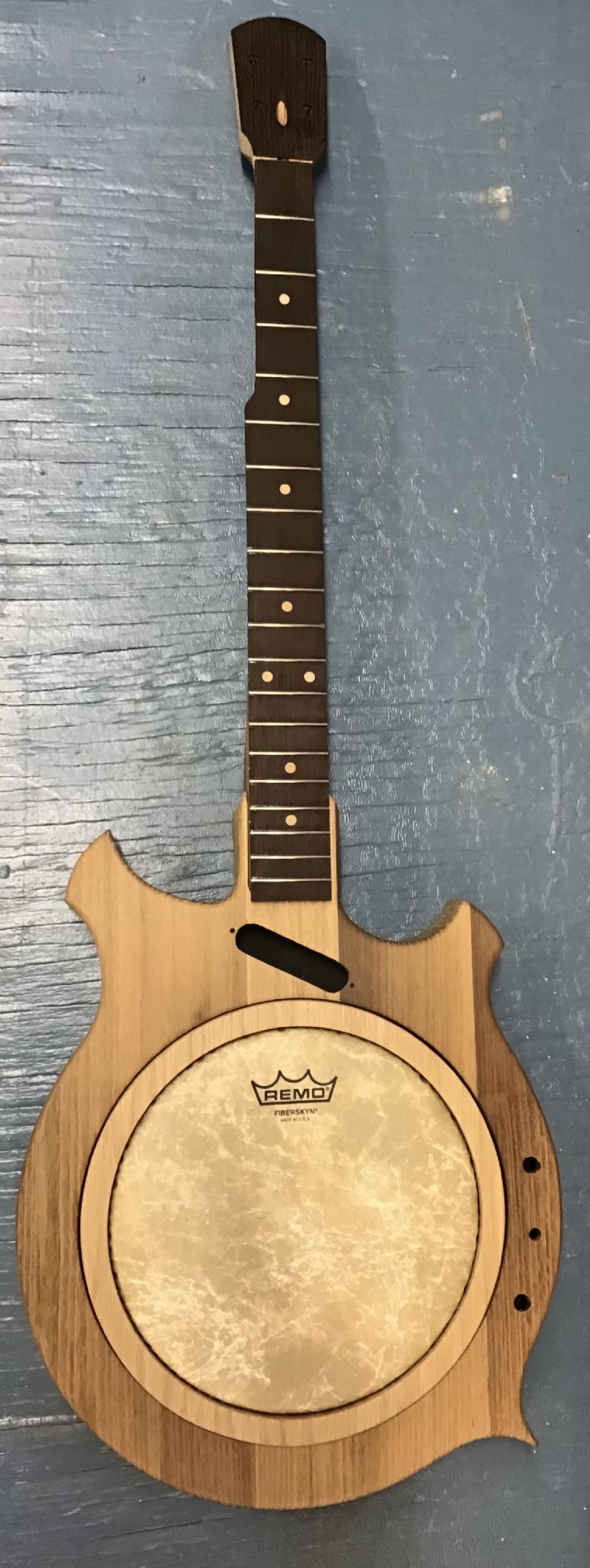
I have been processing Black Locust for instruments. I have had some success finishing the drying process very hot. I am working on a vacuum chamber and have Watlow heaters and inert gas to put inside. I have made a banjo entirely from roasted black locust. The rim and all of the parts had remarkable tap tone. It is inside a goofy hybrid banjo so I don't have any data on how a traditional banjo will sound with torrefied black locust..... yet.
euler357 - Posted - 03/25/2024: 08:33:45
I have some Black Locust and was planning to try it. Do you have some photos of before /after for it?
Do you plan to pull a vacuum before filling with nitrogen? It seems like you could just purge by filling the top and letting the oxygen out of a hole in the bottom. Argon might be another option for this since it's significantly heavier than oxygen and nitrogen.
Also, are you installing a fan inside to "stir" the gasses to equalize the heat?
Edited by - euler357 on 03/25/2024 08:34:48
Maurice McMurry - Posted - 03/25/2024: 12:42:01
My thought is to pull a vacuum then break the vacuum with MIG gas. Here is the black locust banjo before finish. The black locust fretboard was roasted hot, in air and suffered from the process.
Edited by - Maurice McMurry on 03/25/2024 12:42:34
euler357 - Posted - 03/25/2024: 18:49:09
Did the locust turn that dark all of the way through? I like how dark it got. The air in the oven does seem to make the outer "skin" of the maple darker but the oxidation doesn't seem to penetrate. I'm doing the heating on rough milled lumber so I'm cutting it off anyway.
Maurice McMurry - Posted - 03/26/2024: 05:43:37
The color goes all of the way through. Check out my homepage for more images.
newfranklinguitarandmandolinco....com/home
euler357 - Posted - 03/26/2024: 18:13:19
Those look pretty awesome :)
Edited by - euler357 on 03/26/2024 18:13:58
Maurice McMurry - Posted - 03/27/2024: 06:05:25
Thanks euler357! Some folks refer to black locust as "American Rosewood" I am skeptical about that. I hope to make a proper bluegrass banjo out of roasted and or torrefied black locust. I have experimented a little with bending rim wood while it is not fully air dried then fully drying and roasting the bent wood prior to gluing up the rim. I also want to do a comparison of a rim made from quarter sawn wood versus a rim made from plain sawn wood.
Edited by - Maurice McMurry on 03/27/2024 06:07:19
euler357 - Posted - 03/28/2024: 19:41:33
I've got some black locust that I'll try also. I'm curious if I can use it as a rosewood replacement. Thanks for the info
euler357 - Posted - 03/31/2024: 17:46:48
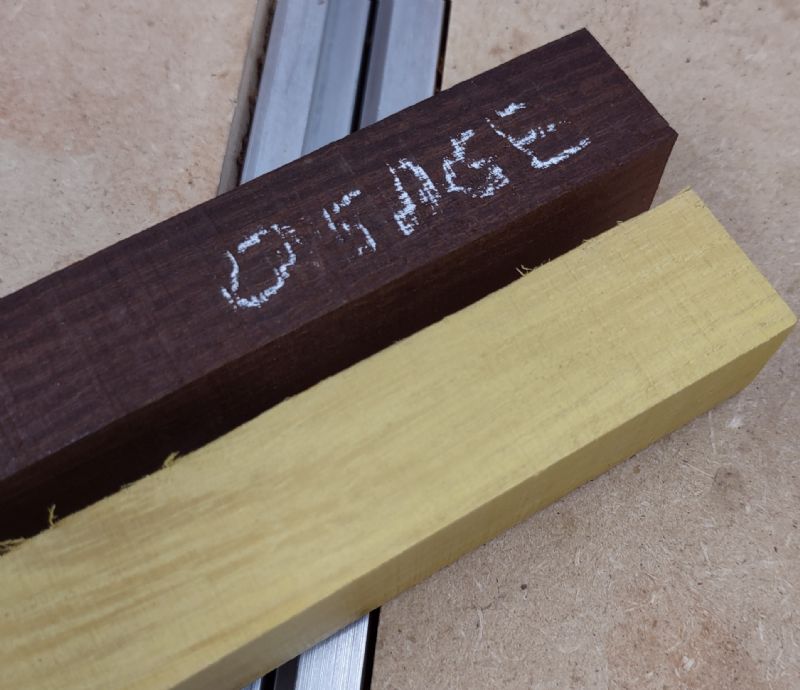
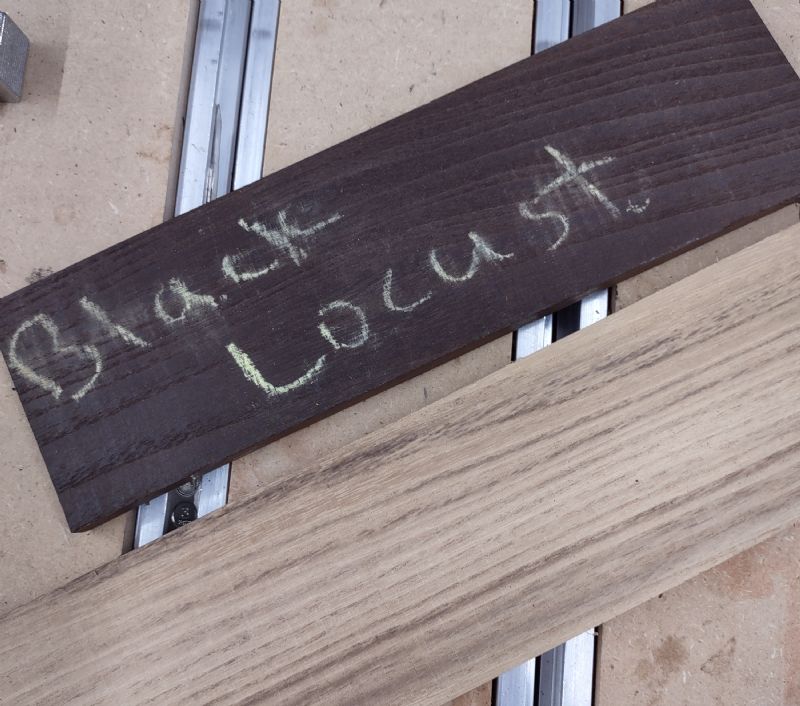
I tried some Black Locust and Osage Orange this weekend. The Black Locust turned out really well with an even dark color. The Osage Orange lost all of it's orange color and turned a nice brown. Here are some photos. This was 3 stages, 275 till it got to temperature then 1 hour to cook, 330 till it got to temp then 1 hour to cook, finally 370 till temp then cooked for an hour. Doing it in stages makes it much more even.
Maurice McMurry - Posted - 04/01/2024: 05:27:17
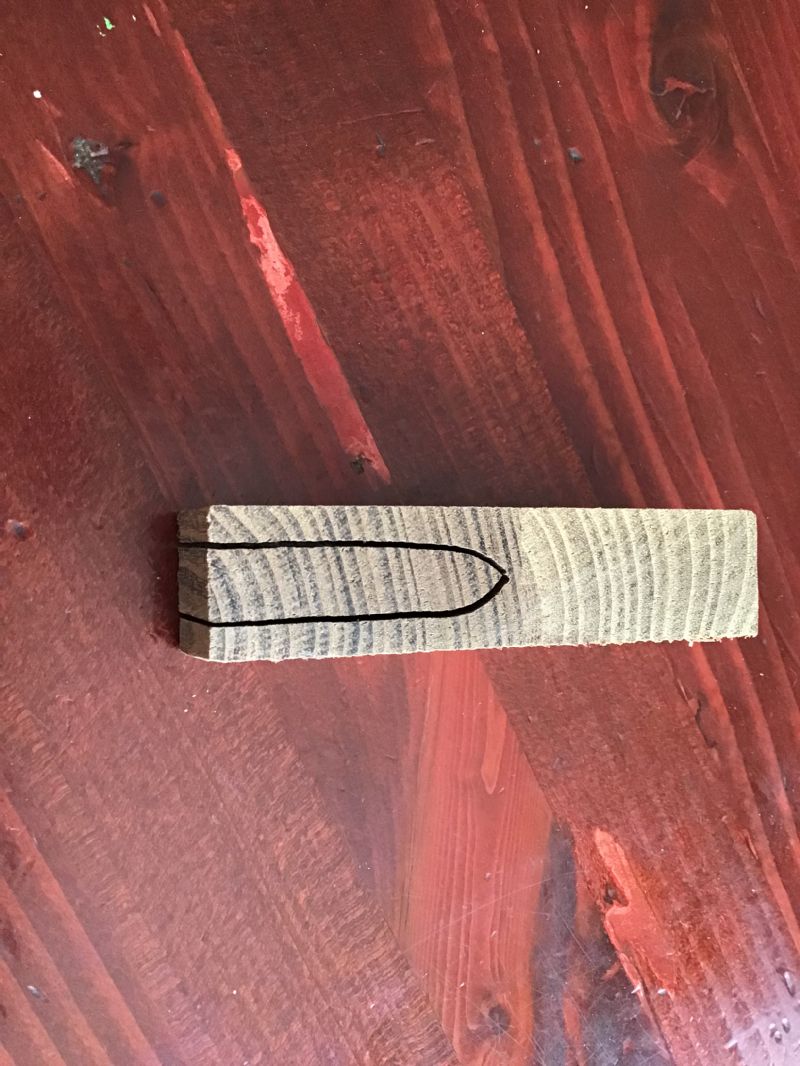
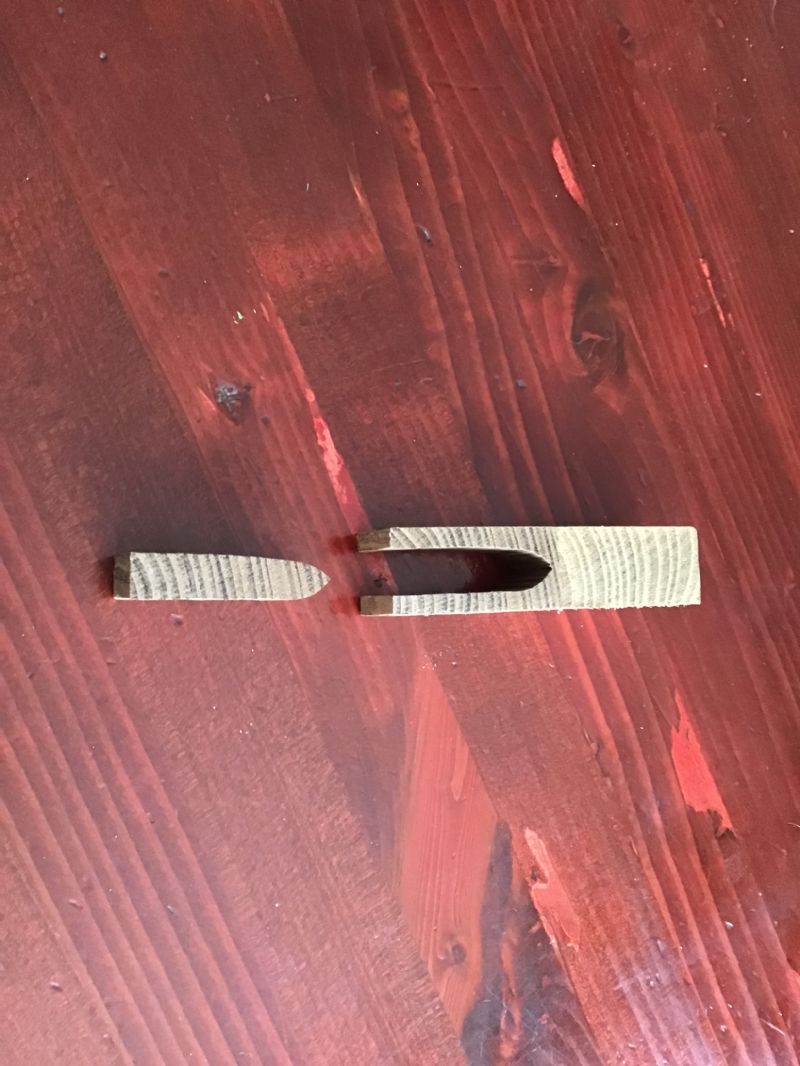
Great color with those. I do not feel good about the Black locust that I was able to get that dark in air. It is brittle and splintery. I do like the results from going not quite that hot. I was worried about case hardening and creating internal stress. If the wood is quarter sawn it is remarkably stable. Here is an image of a case Harding / internal stress test.
euler357 - Posted - 04/01/2024: 06:15:53
I've seen lots of issues like what you describe when doing this. I've been running 4 temperature probes in the oven and have found that if I just hit 370 right away, the oven temp gets to 410+ or so until it stabilizes which means that there is an outer layer that is exposed to higher temps than the center. Letting it sit for a period of time above 212 let's the moisture "boil off" and makes it much more even. BTW, my oven is about 5-10 degrees hotter than the digital display says - internet says this is very common to be 10 deg off.
For me, I'm doing rough cut wood that is the CNC cut on all surfaces which reduces the case hardening issues.
I'll try to do some breakage tests on the locust and see what happens.
Bruce Berry Banjos - Posted - 06/08/2024: 16:48:22
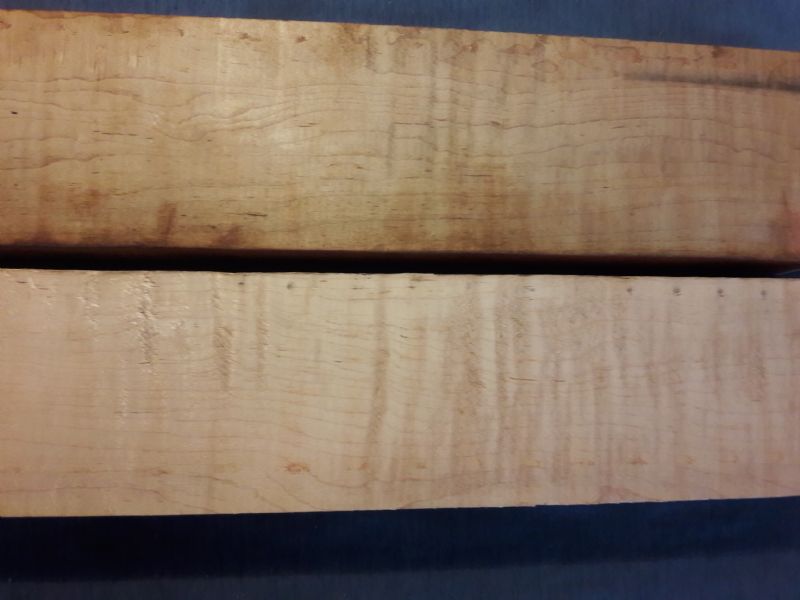
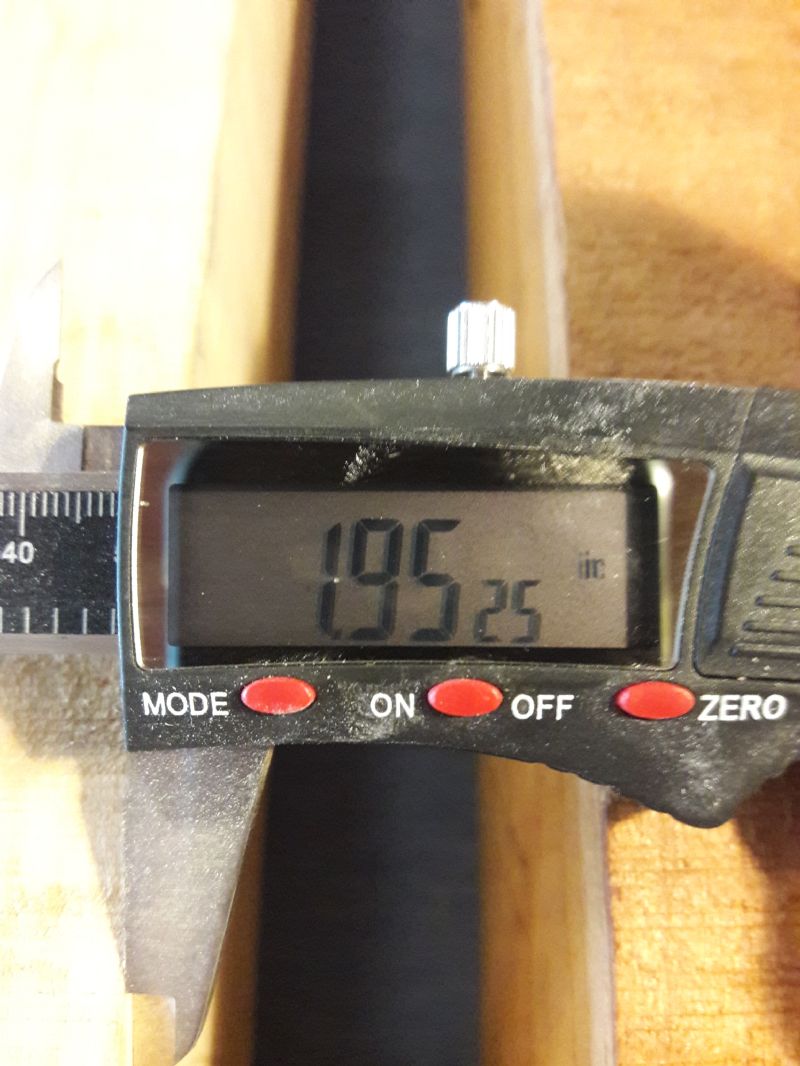
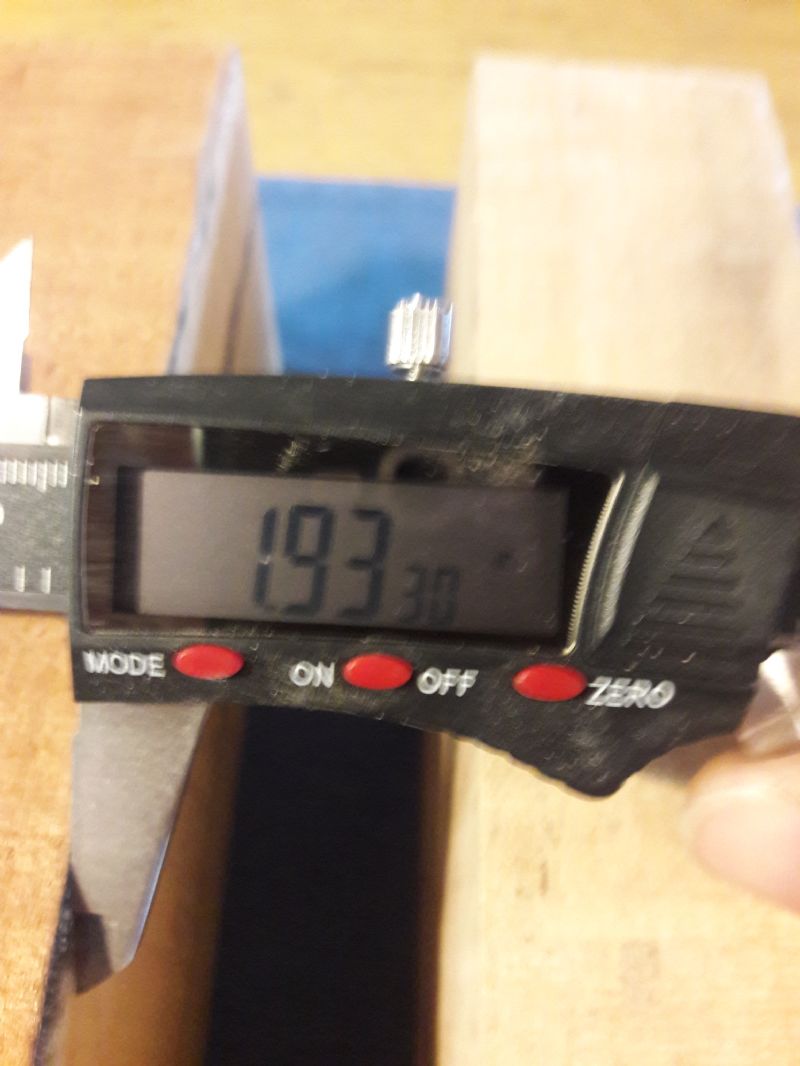
I had this kiln dried 8/4 curly maple in my shop for about three years.
I ripped it into two pieces for neck blanks, then baked one side in the kitchen oven (Awesome wife!) at 350 F for 4 hrs.
The color has enhanced nicely and in densified by .0195"
Apparently the "Maillard reaction" is a chemical reaction between amino acids and reducing sugars to create melanoidins. It occurs between 280-330 F and is what make baked bread golden brown.
I think this is what we're experiencing at lower temps than commercial torrefaction. And it's actually what we want, rather than Pyrolysis. Which is what they're doing at those higher temps and 0 oxygen environments.
I saw a guy at a huge facility in Canada that did 40,000 board ft. at a time. He said it was like air drying for 30 years.
BUT, I actually had a rough sawn neck blank in my possession from 1989 until 2019! So I know (first hand) what 30 year old wood feels like, and it's what we're doing, not the high temp stuff!!!
Also, it's not recommended to use torrefied wood for structural applications, as it may be too brittle. That's not the case with 30 year old air dried lumber...
Bruce Berry Banjos - Posted - 06/11/2024: 10:35:47
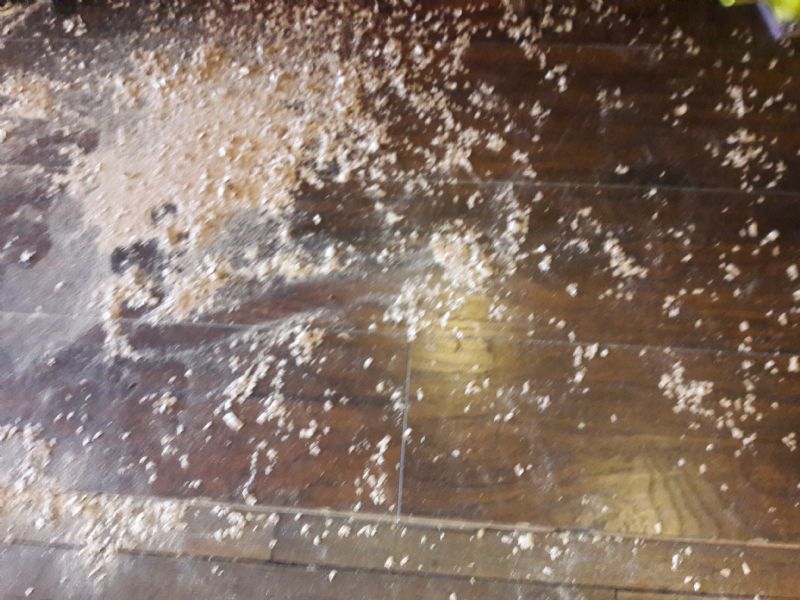
Working with the "Maillardized" Maple today.
The shavings are coming off more like chips.
The internal color does not seem to be significantly enhanced, but the cooked aroma is present.
The wood fibers from the deepest section seem to be equally hardened.
And there's no change in dimension as I'm removing material.
Terms of Use | Privacy Policy | Privacy Consent (EU/GDPR Only)
Copyright 2026 Banjo Hangout. All Rights Reserved.