
DVD-quality lessons (including tabs/sheet music) available for immediate viewing on any device.
Take your playing to the next level with the help of a local or online banjo teacher.
Weekly newsletter includes free lessons, favorite member content, banjo news and more.
Premier Sponsors


|
Please note this is an archived topic, so it is locked and unable to be replied to. You may, however, start a new topic and refer to this topic with a link: http://www.banjohangout.org/archive/275873
EggerRidgeBoy - Posted - 12/13/2013: 18:44:49
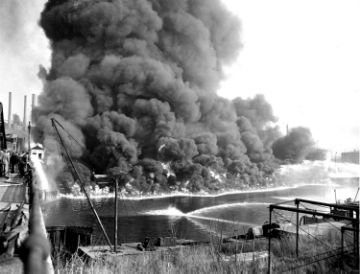
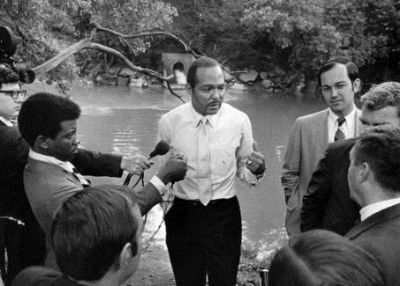
Today’s Tune of the Week is Flames Upon the Cuyahoga, a new old-time modal tune from Chuck Levy which can be found on his 2006 CD “Scratching and Clawing”. As I noted last year when I covered Little Olentangy from that same album as TOTW #211, Chuck is a native of Ohio – my home state – and several of the tunes on "Scratching and Clawing" were inspired by Ohio history and geography and thus bear Ohio-themed titles. Little Olentangy is named for a river running through Columbus, my hometown, while the title of today’s tune makes reference to the Cuyahoga River, which flows through Cleveland, Chuck's hometown. More specifically, it refers to the infamous day in 1969 when the Cuyahoga River caught on fire.
There have always been fiddle tunes named after historical events, most from the nineteenth century (Abe's Retreat, Booth Shot Lincoln, etc.) but occasionally some from more recent history. I always enjoy coming across titles that I have a closer personal connection to (as hesitant as I might be to consider things that have happened in my lifetime to be "historical"). The fact that Flames Upon the Cuyahoga refers to a bit of Ohio history is an added bonus for me.
I realize, of course, that most reading this TOTW are primarily interested in the tune itself, not the history behind its title. If that is the case, feel free to scroll on down to the "TUNE" section. If, however, you are a, say, native of Cleveland, or a minor Midwestern river enthusiast, or a fan of mutated gizzard shad, or curious as to what color you get when you mix cow blood with pickling acid, or just want to know what not to do when cutting a grand-opening ribbon with a blowtorch, what follows might be of some interest to you.
THE CUYAHOGA
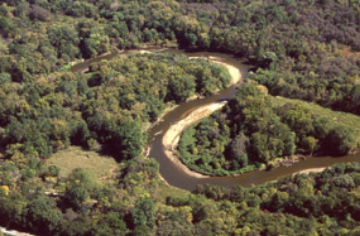
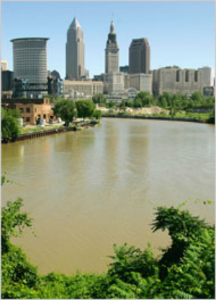
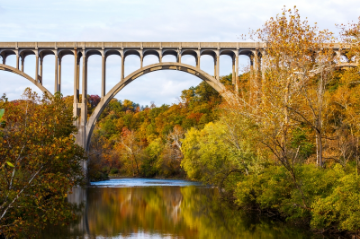
The Cuyahoga River runs for about 85 miles in Northeastern Ohio, emptying into Lake Erie in downtown Cleveland. It flows southeast for about half its length, then turns sharply to the northwest, a course which gives the river its name - "Cuyahoga" means "crooked river" in Mohawk, an Iroqouian language. For a few months in 1795, after the Treaty of Greenville, it formed part of the western border of the United States. It is a relatively young river, having been formed in its present state during the retreat of the glacial ice sheets 10,000 years ago (the winding path the river cuts through the deposits of glacial debris is another possible source for its name). In its final few miles, the Cuyahoga flows through a part of Cleveland known as The Flats, a vast low-lying area adjacent to downtown that housed most of the city's industry for over a century.

Map of the Cuyahoga River
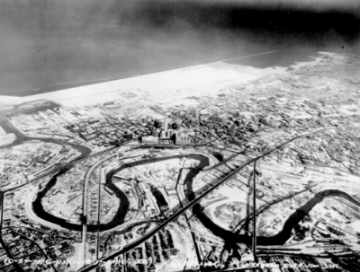
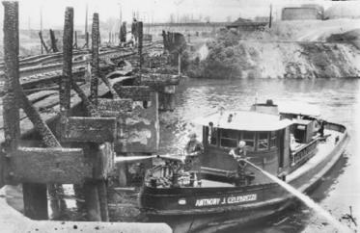
Some River! Chocolate-brown, oily, bubbling with subsurface gases, it oozes rather than flows. "Anyone who falls into the Cuyahoga does not drown," Cleveland's citizens joke grimly. "He decays". . . The Federal Water Pollution Control Administration dryly notes: "The lower Cuyahoga has no visible signs of life, not even low forms such as leeches and sludge worms that usually thrive on wastes." It is also -- literally -- a fire hazard.
The news of the Cuyahoga fire "went viral", as we would say today, being picked up by other national media outlets and soon entering the wider popular culture. It grabbed the public’s attention and imagination, in part because of the striking mental image of water burning – a seeming impossibility – but also because it so perfectly crystallized concern over the decaying, polluted, economically troubled rust-belt cities of the northeast and Midwest. It served as an irresistible metaphor for anything that people thought was wrong with American industry and urban life at the time. And, of course, it was an easy and convenient punch line to all sort of jokes, which made "the river that caught on fire" and Cleveland itself staples of late-night comedy routines for most of the following decade. It even found its way into popular music, with Randy Newman's "Burn On" from 1972 and R.E.M.'s "Cuyahoga" in 1986.
I was only six in 1969, so I don’t remember news of the fire itself, but I heard about it constantly in the 1970s and 1980s, always in the context of a joke at Cleveland’s expense. I remember seeing a well-known comedian in Columbus in 1987 who, I guess in an attempt to do some local "bits" for the crowd, threw in several references to the Cuyahoga fire. And just three months ago, while visiting my sister in California, I found myself talking to a colleague of hers from Washington State. Somehow the conversation turned to rivers, and he began extolling the beauty of the Pacific Northwest's waterways. I had no argument there, but he is the type of person who tends to praise his own region by denigrating everyplace else, and he soon started telling me how ugly, boring, and dirty the rivers were in "the east". He was aware I was from Ohio, and I knew what was coming next. Sure enough - "You even had that river catch on fire". 43 years after the fact, and it is still one of the first things that many people - at least those over a certain age - think of when they hear "Cuyahoga", "Cleveland", or perhaps even "Ohio".
POLLUTION
That TIME magazine article - entitled "America's Sewage System and the Price of Optimism" - was a long-planned piece on the nation's polluted waterways, and it mentioned the Potomac, the Mississippi, and other rivers before getting to the Cuyahoga. But the June fire gave the author a dramatic centerpiece for the story, and it was the image of that fire and the description of the Cuyahoga as one of the most polluted rivers in the country that stayed with readers. And the Cuyahoga was certainly polluted. As early as 1881, a Cleveland mayor had called it "an open sewer flowing through the city". Throughout the late 1800s and much of the 1900s, the steel mills, chemical plants, paper mills, paint plants and oil refineries lining the Cuyahoga's banks regularly poured untreated toxic chemicals, industrial dyes, acids, and petroleum products directly into the river. Slaughterhouses added grease, fat, blood and animal parts, while the city's sewer system contributed raw sewage and contaminated surface water from the entire Akron-Cleveland area. More often than not, parts of the river - particularly the sharp bends in the Flats where debris collected - were covered in an inches thick sludge of pollution. Water not completely covered in oil was often a bright orange color.


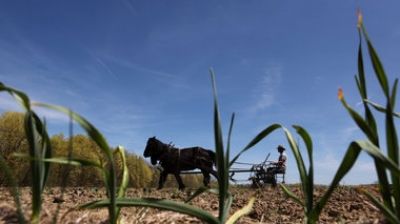
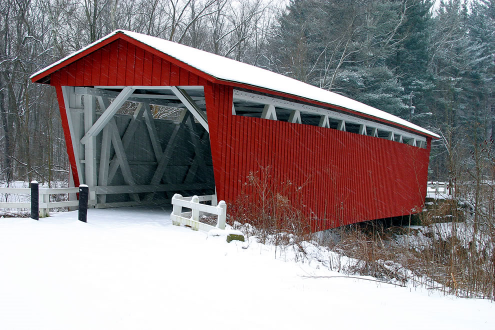
Tablature for the tune can be found in the Hangout archives: banjohangout.org/tab/browse.as...p;v=19920
Whether any of you are interested in that no-doubt overly detailed account of the Cuyahoga river fire, I hope many of you enjoy the tune that bears its name as much as I have.
Edited by - EggerRidgeBoy on 12/14/2013 19:10:06
vrteach - Posted - 12/13/2013: 20:53:01
This has inspired me to look up information for river fires more local to me, and I came across this excerpt from the 1899 Chicago Tribune.
At 7 pm yesterday, a fire broke out on the Chicago River. Flames and smoke rising directly from the surface of the water were easily visible for a distance of several blocks inland. Because it attracted so much attention, the fire was reported by at least twenty alarms, the most since the alarm system was instituted after the Great Fire of 1871. Firefighters responded from all three of the city’s fire districts, and, with the help of a fireboat, were able to put out the worst of the blaze in about fifteen minutes. The fire damaged nearby docks, warehouses, and bridges, and delayed traffic on the Northwestern and Milwaukee Railroad between 7 and 8:30 pm.
There are more excerpts at americanasparagus.org/1/txt/meier, mostly consisting of humorous suggestions for getting the river insured, or somehow flame-proofed.
rendesvous1840 - Posted - 12/13/2013: 22:55:18
20 or so years ago, we had a delegation from Japan come to Cleveland to study what had been done to clean The Cuyahoga River, and Lake Erie. The River & Lake are noted by environmentalists as one of the greatest successes ever in reversing the damage of pollution. The Japanese delegation was facing a long, hard job to do the same thing that was done in NE Ohio, and wanted advice and input. There is work remaining to be done, you don't reverse 175 years of abuse in a few years, but much was accomplished here. Mayor Stokes did a lot to push for the cleanup, keeping the fire in the news until programs were put into place, and laws were changed. Perhaps some other cities managed to brush such stories under the rug?
Brooklynbanjoboy - Posted - 12/14/2013: 02:45:15
Nice TOTW essay. Captivating note on Chuck’s creative process in his own words. I see that Chuck plays the piece repetitively as he forms it into a whole, to embed it in his mind and muscle memory I suppose, but I wonder whether he writes it out in tab early on in his composition process? That is, does modern technology (tab editing, for example) intersect with the "folk process," so to speak, in a way that ensures a record of current folk tunes that didn't exist before? You out there Chuck?
V/R,
Lew
ChuckJo - Posted - 12/14/2013: 07:22:02
Thanks to Bret for picking one of my tunes, and for the beautifully written Cuyahoga essay. I am really enjoying the discussion of the river that others are contributing to.
Lew, tab is never part of my composition process. I write the tab later if there is ever a need for it, to help guide others who might be trying to play what I have composed.
atleson - Posted - 12/14/2013: 10:11:49
neat tune and fantastic writeup, especially for us old Clevelanders. BTW---the tab connection doesn't seem to work.
jim
EggerRidgeBoy - Posted - 12/14/2013: 10:59:10
quote:
Originally posted by atlesonBTW---the tab connection doesn't seem to work.
jim
I've tried it three times - twice it worked (allowing me to view it on an Outlook website) and once it didn't (taking me to an Outlook Mail log-in page). I'm not sure what is going on.
I'll try to upload it to the Hangout's tab archive. I've never done that before, so it might take me a little while.
JanetB - Posted - 12/14/2013: 15:11:41
Headlines: Banjo Brandishes Environmental Torch! That's an A++ for you, Brett! I'll be studying this all week. Thanks also, Brett, for helping us to become aware of Chuck's compositions. Here's a cello banjo accompaniment, hopefully with Chuck's gracious acceptance.
 Chuck Levy's Flames Upon the Cuyahoga |
ChuckJo - Posted - 12/14/2013: 16:34:22
Hi Janet,
Thanks for your interesting, haunting accompaniment. It really fills out the tune! I uploaded a tabledit tab to BanjoHangout. Here is a jpeg of the tab.
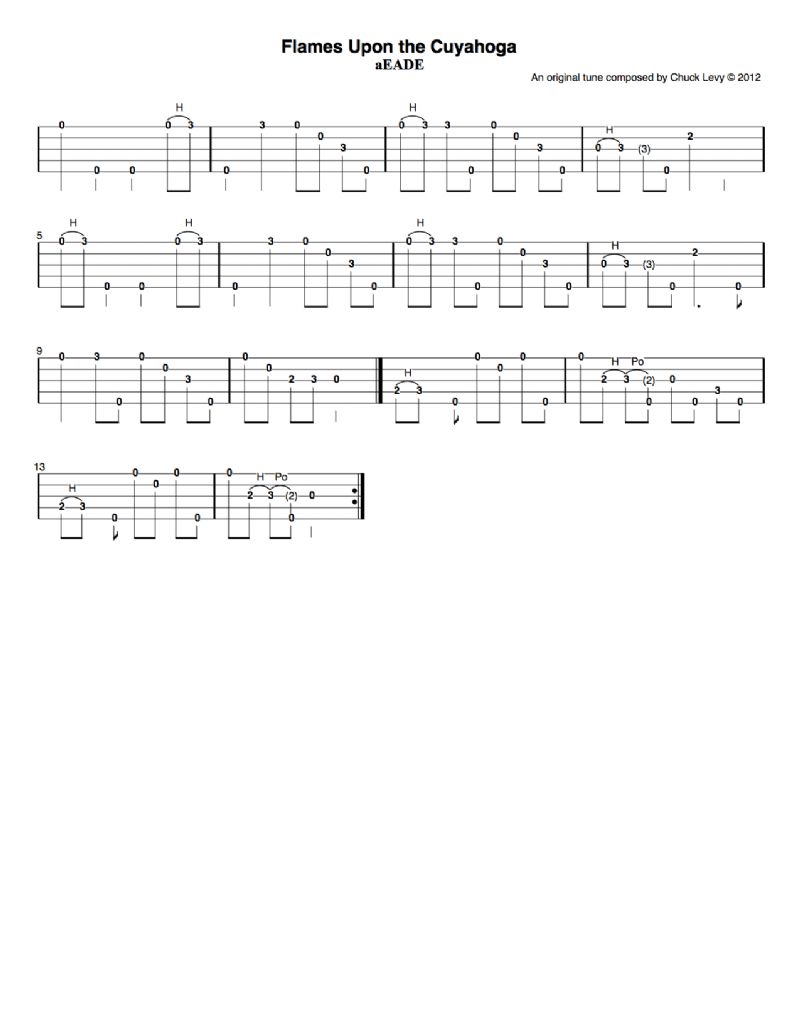 Flames Upon the Cuyahoga |
EggerRidgeBoy - Posted - 12/14/2013: 17:05:46
quote:
Originally posted by ChuckJoHi Janet,
Thanks for your interesting, haunting accompaniment. It really fills out the tune! I uploaded a tabledit tab to BanjoHangout. Here is a jpeg of the tab.
Thanks Chuck I had given up trying to upload the TEF file - guess I need to learn how to do that - and had instead just uploaded a photo of the tab to my homepage. I have now deleted that and have instead included a link to the Hangout Archives tab in the original post.
EggerRidgeBoy - Posted - 12/14/2013: 17:24:05
quote:
Originally posted by vrteachRemarkable write-up!
Thanks, Erich - glad you enjoyed it.
EggerRidgeBoy - Posted - 12/14/2013: 17:27:51
quote:
Originally posted by vrteachThis has inspired me to look up information for river fires more local to me, and I came across this excerpt from the 1899 Chicago Tribune.
FIRE ON THE CHICAGO RIVER CAUSES TRAFFIC DELAYS; BRIDGES AFFECTED
April 18, 1899
At 7 pm yesterday, a fire broke out on the Chicago River. Flames and smoke rising directly from the surface of the water were easily visible for a distance of several blocks inland. Because it attracted so much attention, the fire was reported by at least twenty alarms, the most since the alarm system was instituted after the Great Fire of 1871. Firefighters responded from all three of the city’s fire districts, and, with the help of a fireboat, were able to put out the worst of the blaze in about fifteen minutes. The fire damaged nearby docks, warehouses, and bridges, and delayed traffic on the Northwestern and Milwaukee Railroad between 7 and 8:30 pm.
There are more excerpts at americanasparagus.org/1/txt/meier, mostly consisting of humorous suggestions for getting the river insured, or somehow flame-proofed.
Thanks for sharing that account. There are a lot of interesting thoughts in the "comments" section - such as the (perhaps tongue-in-cheek - it can be hard to tell) concern that the firefighting boats on the river might end up hosing burning riverfront buildings with flammable river water, thus making them burn all the faster.
It does point out that many people were indeed concerned with such fires even in the late 1800s, although in contrast to the 1960s it seems most of the concern centered on economic issues, not on the pollution itself - i.e., fear that the fires would destroy warehouses and factories, and interrupt shipping. And of course Chicago had good reason to fear destructive fires at that time, only a couple of decades after the Great Fire of 1871.
Edited by - EggerRidgeBoy on 12/14/2013 17:33:53
EggerRidgeBoy - Posted - 12/14/2013: 17:59:31
quote:
Originally posted by rendesvous184020 or so years ago, we had a delegation from Japan come to Cleveland to study what had been done to clean The Cuyahoga River, and Lake Erie. The River & Lake are noted by environmentalists as one of the greatest successes ever in reversing the damage of pollution. The Japanese delegation was facing a long, hard job to do the same thing that was done in NE Ohio, and wanted advice and input. There is work remaining to be done, you don't reverse 175 years of abuse in a few years, but much was accomplished here. Mayor Stokes did a lot to push for the cleanup, keeping the fire in the news until programs were put into place, and laws were changed. Perhaps some other cities managed to brush such stories under the rug?
Yes, it has been a remarkable turnaround. As you note, the last few miles of the river in Cleveland are still not quite as clean as the city and the EPA want them to be - that stretch is currently designated as a "recovering river" - but there is no comparison to its condition 50 years ago. As I understand it, most of the pollution now comes from contaminated surface run-off flowing into the river, and in an area as densely developed as Cleveland it is almost impossible to fully control the quality of such water. But people can now fish along the river in The Flats, something unthinkable even 25 years ago.
As much as the fire hurt Cleveland's reputation, politicians such as Mayor Stoke's brother Louis - a U.S. Congressman - used the river's infamy to help garner support for environmental legislation at the national level, arguing that "if we can clean up the Cuyahoga, we can clean up any river."
EggerRidgeBoy - Posted - 12/14/2013: 18:01:16
quote:
Originally posted by BrooklynbanjoboyNice TOTW essay. Captivating note on Chuck’s creative process in his own words. I see that Chuck plays the piece repetitively as he forms it into a whole, to embed it in his mind and muscle memory I suppose, but I wonder whether he writes it out in tab early on in his composition process? That is, does modern technology (tab editing, for example) intersect with the "folk process," so to speak, in a way that ensures a record of current folk tunes that didn't exist before? You out there Chuck?
V/R,
Lew
Thanks Lew. I also appreciated Chuck's thoughts on his creative process, since - as someone who hasn't tried to write any tunes - it is all a bit of a mystery to me.
EggerRidgeBoy - Posted - 12/14/2013: 18:09:28
quote:
Originally posted by atlesonneat tune and fantastic writeup, especially for us old Clevelanders. BTW---the tab connection doesn't seem to work.
jim
Thanks Jim. Glad you enjoyed it. I was born and raised in Columbus, but have always had an affinity for Cleveland. My dad was born there (although the Depression sent my grandparents back to rural southern Ohio when he was still a young boy) and I have a few more distant family connections to the city. When in the early 1970s my elementary school buddies and I were trying to decide which professional baseball team to support - the Reds or the Indians (a choice every central Ohio kid had to make) - I, unlike almost all my friends, chose the Indians, even though Cincinnati was winning championships behind Pete Rose and Johnny Bench, while Cleveland was in the midst of a 40-year slump.
EggerRidgeBoy - Posted - 12/14/2013: 18:15:52
quote:
Originally posted by JanetBHeadlines: Banjo Brandishes Environmental Torch! That's an A++ for you, Brett! I'll be studying this all week. Thanks also, Brett, for helping us to become aware of Chuck's compositions. Here's a cello banjo accompaniment, hopefully with Chuck's gracious acceptance.
Thanks for the high grade, Janet. I'm glad you enjoy Chuck's tunes as much as I do.
Thanks also for the cello banjo accompaniment!
Viper - Posted - 12/15/2013: 07:34:28
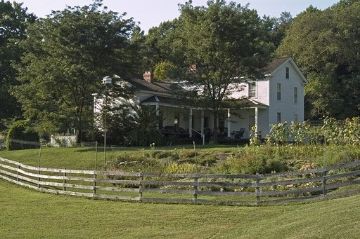
Nice to see some photos from my neck of the woods. I like to run the trails in the Cuyahoga Valley National Park, which I often drive through on my way to/from work. Great write-up of a cool tune, and I didn't realize Chuck was from Cleveland. Gonna have to try this one.
Edited by - Viper on 12/15/2013 07:35:51
Tamarack - Posted - 12/15/2013: 17:08:17
A wonderful tune -- not a new tune that sounds old -- a timeless tune.
Great writeup on the Cuyahoga. I was an adolescent in a Cleveland suburb at the time of the infamous 1969 fire, just less than a year before the first Earth Day. I can't say this is what prompted me to go into the environmental biz, but it had an effect.
PIME - Posted - 12/16/2013: 10:06:59
thanks for the fascinating write up! as a midwesterner of a certain, I've also been guilty of mocking Cleveland for having a river that burned... not knowing that my home state of Michigan was in the same boat.
the link between the tunes and the reality of the historical(!) times makes this a particularly great TOTW.
EggerRidgeBoy - Posted - 12/18/2013: 14:01:44
quote:
Originally posted by ViperNice to see some photos from my neck of the woods. I like to run the trails in the Cuyahoga Valley National Park, which I often drive through on my way to/from work. Great write-up of a cool tune, and I didn't realize Chuck was from Cleveland. Gonna have to try this one.
I've been meaning to visit Cuyahoga Valley National Park since I moved back to Ohio six years ago - I still tend to forget that we have a National Park in the state (one of only a handful east of the Mississippi). I'll have to make it there in 2014.
EggerRidgeBoy - Posted - 12/18/2013: 14:03:13
quote:
Originally posted by TamarackA wonderful tune -- not a new tune that sounds old -- a timeless tune.
Great writeup on the Cuyahoga. I was an adolescent in a Cleveland suburb at the time of the infamous 1969 fire, just less than a year before the first Earth Day. I can't say this is what prompted me to go into the environmental biz, but it had an effect.
Glad you liked the tune and the write-up - that timeless quality is one of the things that drew me to the tune as well.
EggerRidgeBoy - Posted - 12/18/2013: 14:08:10
quote:
Originally posted by PIMEthanks for the fascinating write up! as a midwesterner of a certain, I've also been guilty of mocking Cleveland for having a river that burned... not knowing that my home state of Michigan was in the same boat.
the link between the tunes and the reality of the historical(!) times makes this a particularly great TOTW.
Thanks for the thumbs up. I'm glad to see my write-up has changed at least one person's view of Cleveland and its river fire - now just spread the word. :-)
(To be fair, until I researched this tune, I had no idea that so many other rivers had burned over so many previous decades - like most other people, I assumed that the 1969 Cuyahoga fire was indeed an unprecedented event.)
Banjo Rob - Posted - 12/19/2013: 06:48:44
As a Ohio Native and growing up in Cuyahoga County, this was a most refreshing post to read.
After picking up the banjo recently and returning to the Banjo Hangout just yesterday - this was the first post I read.
What a wonderful welcome back. Excellent write up and tunes shared. Keep up the great work!
Thank you
Rob
stever1422 - Posted - 12/20/2013: 12:12:15
When learning or playing this tune it might help to have one of these very tasty pale ales on hand-

NFI but the brewery is right down the street from me.
Steve Roberts
Cleveland
janolov - Posted - 12/20/2013: 12:41:34
Before I start to study the next TOTW, I have to say that this is one of the most remarkable TOTW I have studied. The background write-up was very interesting and touching. However, the most touching was the tune. There are some sawmill tuning tunes that give me a special shivering feeling, for example Cold Frosty Morning and Pretty Little Cat. Flames Upon The Cuyahoga gives me the same feeling.
Paul R - Posted - 12/20/2013: 21:10:21
Amazing write up! I remember reading about the fire back then. You'd have thought that the fires happened regularly. There was a comment in Esquire to "...put out the river." Thanks for the TOTW selection, and thanks, Chuck, for composing it!
Banjo Rob - Posted - 12/29/2013: 06:32:41
Great Lakes Brewery is *fantastic.*
Glad to see some more banjo players in the Cleveland area!
quote:
Originally posted by stever1422When learning or playing this tune it might help to have one of these very tasty pale ales on hand-
NFI but the brewery is right down the street from me.
Steve Roberts
Cleveland
ChuckJo - Posted - 12/31/2013: 13:35:59
Uh if we are on the topic of Cleveland beer (other than Levy's Lager that my father made in our basement in South Euclid)...
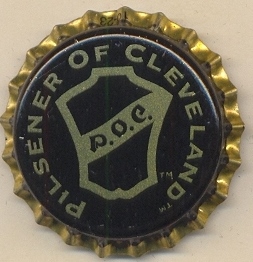 Pilsener of Cleveland | 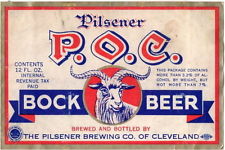 Bok Beer | 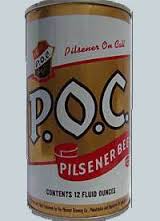 P.O.C |
EggerRidgeBoy - Posted - 01/14/2014: 11:04:00
quote:
Originally posted by Banjo RobAs a Ohio Native and growing up in Cuyahoga County, this was a most refreshing post to read.
After picking up the banjo recently and returning to the Banjo Hangout just yesterday - this was the first post I read.
What a wonderful welcome back. Excellent write up and tunes shared. Keep up the great work!
Thank you
Rob
Thanks for the kind words. I'm very glad you enjoyed the post, and that it provided a "customized" welcome back to the Hangout. And I'm always glad to see another Ohio native onboard!
EggerRidgeBoy - Posted - 01/14/2014: 11:06:25
quote:
Originally posted by stever1422When learning or playing this tune it might help to have one of these very tasty pale ales on hand-
NFI but the brewery is right down the street from me.
Steve Roberts
Cleveland
An excellent suggestion. I haven't had any Burning River for quite awhile - this would be a good excuse to drink some.
EggerRidgeBoy - Posted - 01/14/2014: 11:10:05
quote:
Originally posted by janolovBefore I start to study the next TOTW, I have to say that this is one of the most remarkable TOTW I have studied. The background write-up was very interesting and touching. However, the most touching was the tune. There are some sawmill tuning tunes that give me a special shivering feeling, for example Cold Frosty Morning and Pretty Little Cat. Flames Upon The Cuyahoga gives me the same feeling.
I know exactly what you mean, Janolov those archaic "shivering" sawmill tunes are what really drew me to clawhammer banjo in the first place, and I heard that quality in Flames Upon the Cuyahoga, which is why I wanted to learn it and cover it as a TOTW.
EggerRidgeBoy - Posted - 01/14/2014: 11:12:37
quote:
Originally posted by Paul RAmazing write up! I remember reading about the fire back then. You'd have thought that the fires happened regularly. There was a comment in Esquire to "...put out the river." Thanks for the TOTW selection, and thanks, Chuck, for composing it!
Thanks - I'm glad you enjoyed it. And I second your thanks to Chuck for composing it.
EggerRidgeBoy - Posted - 01/14/2014: 11:13:30
quote:
Originally posted by ChuckJoUh if we are on the topic of Cleveland beer (other than Levy's Lager that my father made in our basement in South Euclid)...
Well clearly you need to write some more Cleveland-based tunes, to give us an excuse to drink more Cleveland beer...
Terms of Use | Privacy Policy | Privacy Consent (EU/GDPR Only)
Copyright 2026 Banjo Hangout. All Rights Reserved.


