


I need those that are in the know about pre-war banjos. I have a Vega Soloist SN 87491 that Deering says is manufactured in 1926 but my research points to 1929. In fact, it's numerically only 9 digits from 87500 which is documented as a 1929 Soloist and sits in the Smithsonian. That's the first issue.
The second, is that the pot components: Tu-Ba-Phone tone ring, rim, and resonator are all engraved with the same number: C69711. Some have said that this was a factory batch marking that mated complimentary tonal components to ensure they stayed together during the assembly process, others have postulated that the master luthier that did the conversion to a 5 string made the markings.
Any insight into these questions would be much appreciated.

Yeah, my list says 1929 as well. With respect to Deering, their main concern isn't providing historical information but selling new banjos.
I have owned a number of Vegas from the '20s and '30s and never seen a number engraved anywhere on them, only the stamped serials. A picture might help, but I agree that it's not from the factory.

I just saw the images on your profile. No idea what this number represents, but yeah, it's not from the factory.
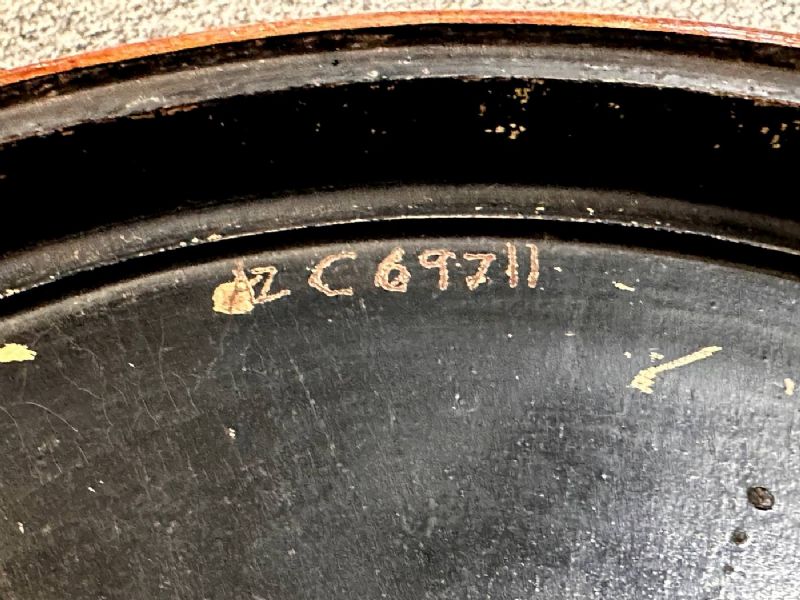
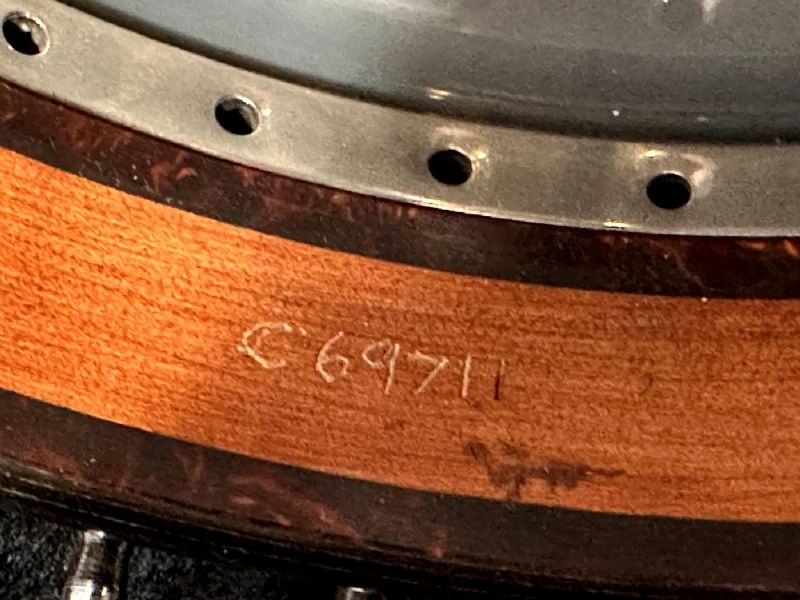
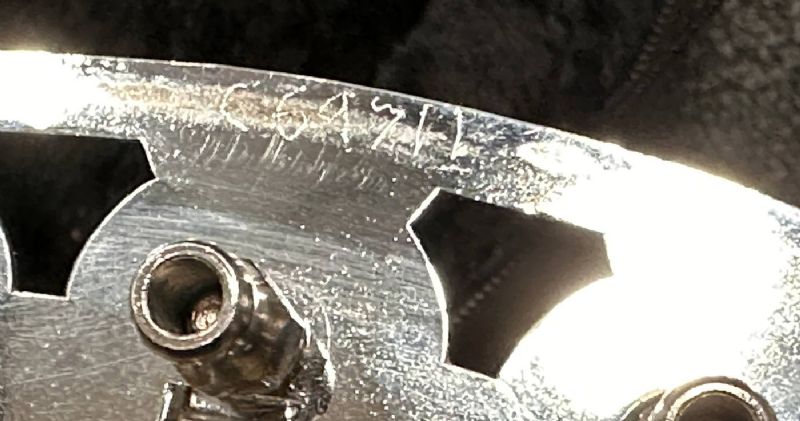
Thanks for the info. Apparently all documentation from the Vega Co. was destroyed by the company that owned Vega before Deering aquired the name. Perhaps someone out there will know what these markings are. None of theme are visible unless the pot is disassembled.
Complete details on this banjo are here: missioncontrolproductions.com/...njo2.html
I think they pulled the “batch” mark out of thin air. Everything about the instrument looks right, so the batch number idea is not needed. Looks like something an owner may have done for some odd reason.
Thanks John!
Have you owned one of these older Vega banjos? It's an odd thing to see something so specific: C69711. This makes me wonder if an owner did it. It strikes me that an owner might put a single marking or initials rather than what looks like a code.
Edited by - palmsong on 09/02/2026 16:03:31
Some other weird stuff going on. The Soloist is supposed to have a mix of gold and nickel hardware, but everything shown is nickel. The outside of the resonator has also been refinished, which is not normally required for a re-necking. I suspect that the banjo is something of a mongrel, with the rim and dowel matching but the rest cobbled together.
How can you tell that it has been refinished Noah?
Thanks!
The color's wrong. These came in blonde and a sort of light amber burst, but not this root beer brown.
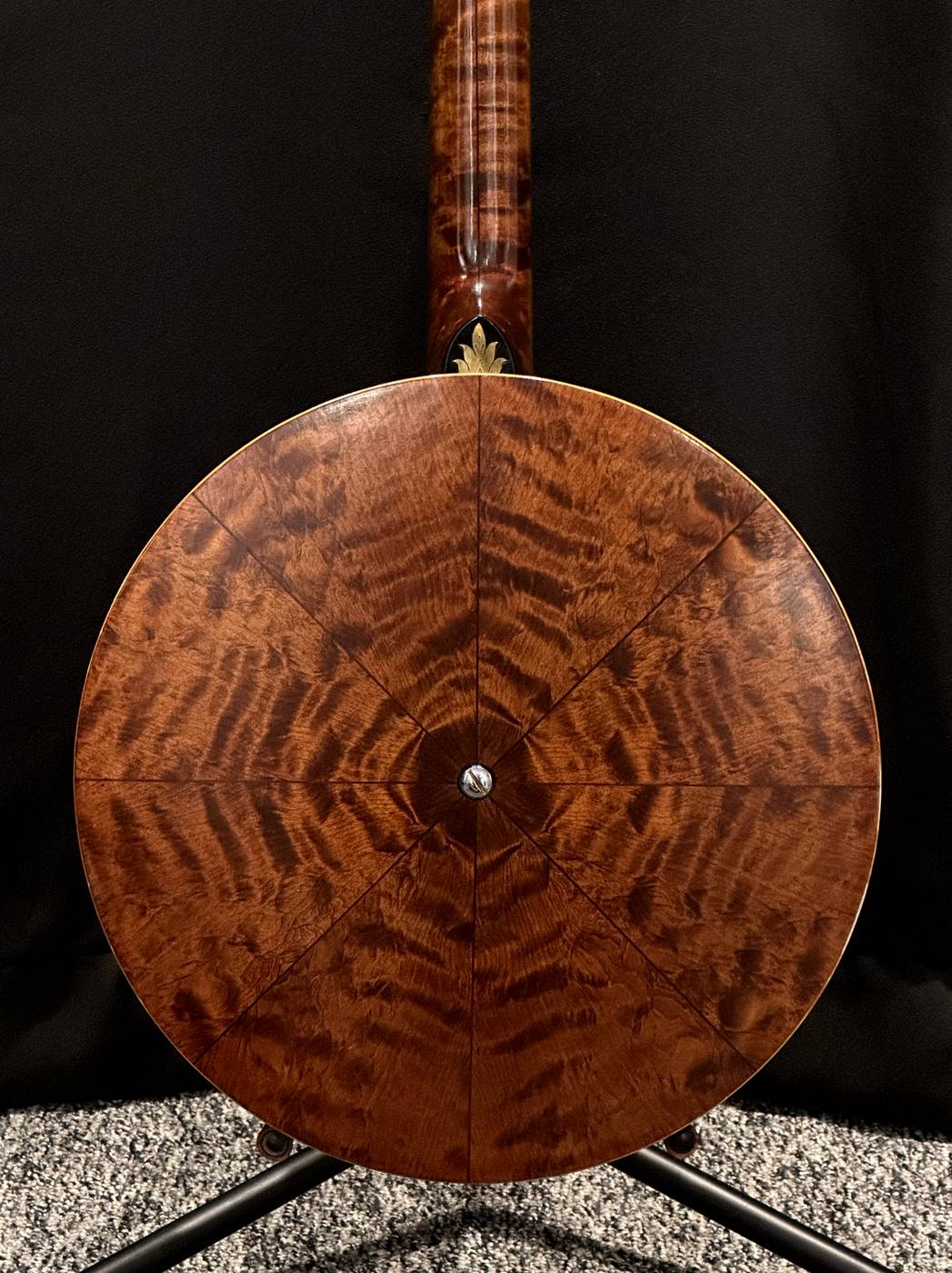
Interesting. Close inspection shows typical age related micro cracks in the finish. So this must have been refinished a long time ago. The banjo was aquired in the 60's and never been altered.
Arizona driver’s license number?
I also thought that C69711 might be a driver's license number that a previous owner added in the mistaken idea that it would help assist in recovery in the off chance the instrument was ever stolen while they owned it.
With the scratching on the flange & rim and the paint on the resonator looking crude, I am positive that that letter/number series was not applied in the Vega factory.
Bob Smakula
Thanks for the input Bob. It's a mystery all right.
My thoughts, with a bit of research:
CAVEAT EMPTOR
I don't think this banjo is all it's cracked up to be -- I believe it is significantly altered, more than just the neck changes.
To the best of my knowledge, the Soloist was the top of the line in the late 1920s and it was GOLD PLATED. See this record of a 1929 tenor Soloist I found on line: purebanjo.com/vega-soloist-tenor-banjo-2/
The "nickel plate" on the banjo in the original is much to bright/shiny/clean and chrome-like. The ROUGH appearance of the underside of the flange is not correct, it should be nearly as smooth as the facing side.
Note the inlay in the banjo I posted. Completely different from the as described original but altered composite neck.
That may be the prettiest maple wood I've ever seen in ANY Vega banjo. So pretty it makes me suspicious.
Finally the hen-scratched "matching parts number" scrawled in several places is hooey and I'm not afraid to say so even if I'm wrong! Vega factory matching up "tonally matched parts" is a pipe dream. Any factory worker who would DEFACE a top of the line instrument with those scrawlings would be out the front gate in a trice. Finally, I happen to know that the pattern of that number, with a C followed by 5 numbers, is also the format for a NY State concealed weapons permit. An identifier an OWNER could easily remember if the banjo was stolen, without giving away his Soc Security number or phone number.
I would walk the other way, and fast.
Edited by - The Old Timer on 09/02/2026 19:18:17
quote:
Originally posted by OldFretsYeah, my list says 1929 as well. With respect to Deering, their main concern isn't providing historical information but selling new banjos.
I have owned a number of Vegas from the '20s and '30s and never seen a number engraved anywhere on them, only the stamped serials. A picture might help, but I agree that it's not from the factory.
Fairbanks and Vega banjos roughly 1900-1925 often have the serial number (or the last three digits of it) lightly scratched into an unobtrusive spot on the tone ring, probably to keep it together with a specific rim once they were fit at the factory.
That's not what this is, though. I agree with the theory that it's a former owner's driver's license number, or some other personal ID number they thought would help in recovering the instrument if stolen. I've seen that same thing on a few other instruments, along with a few social security numbers.
quote:
Originally posted by Joel HooksArizona driver’s license number?
You beat me to the punch. That's exactly what it is.
That flange is later than 1926.
There's a lot of guesswork concerning Vega serial numbers before 1933. As far as I can tell, none of those lists are correct.
Edited by - mikehalloran on 09/05/2026 12:50:31
Terms of Use | Privacy Policy | Privacy Consent (EU/GDPR Only)
Copyright 2026 Banjo Hangout. All Rights Reserved.


