


Hi everyone,
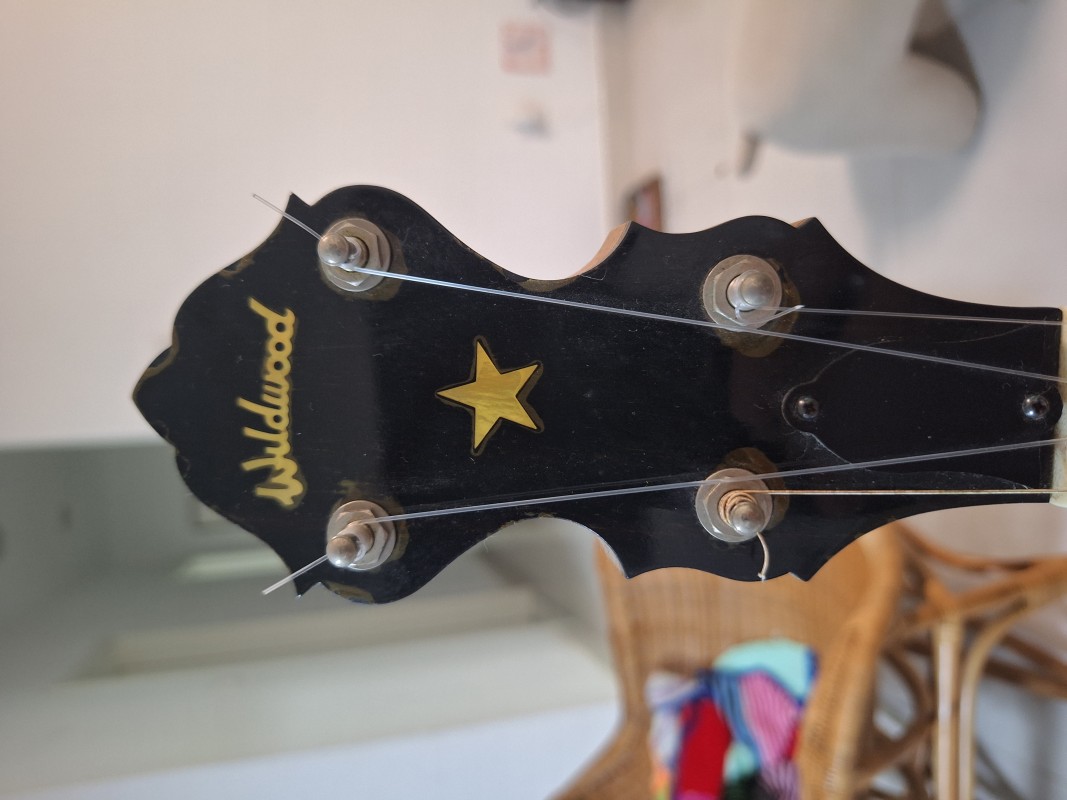
I recently found this Wildwood Minstrel open-back banjo second-hand here in China. It came with its original paperwork: serial/order no. 3119B, model Minstrel, finish listed as NAT, plus an Elderly Instruments receipt showing it was purchased in October 2002 for $725. It has the original hard case and appears to be a genuine Mark Platin/Wildwood instrument.
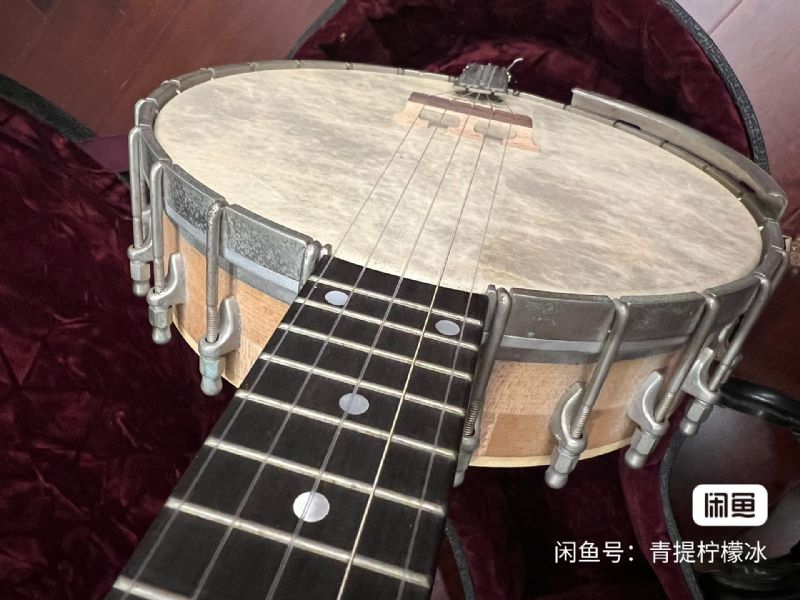
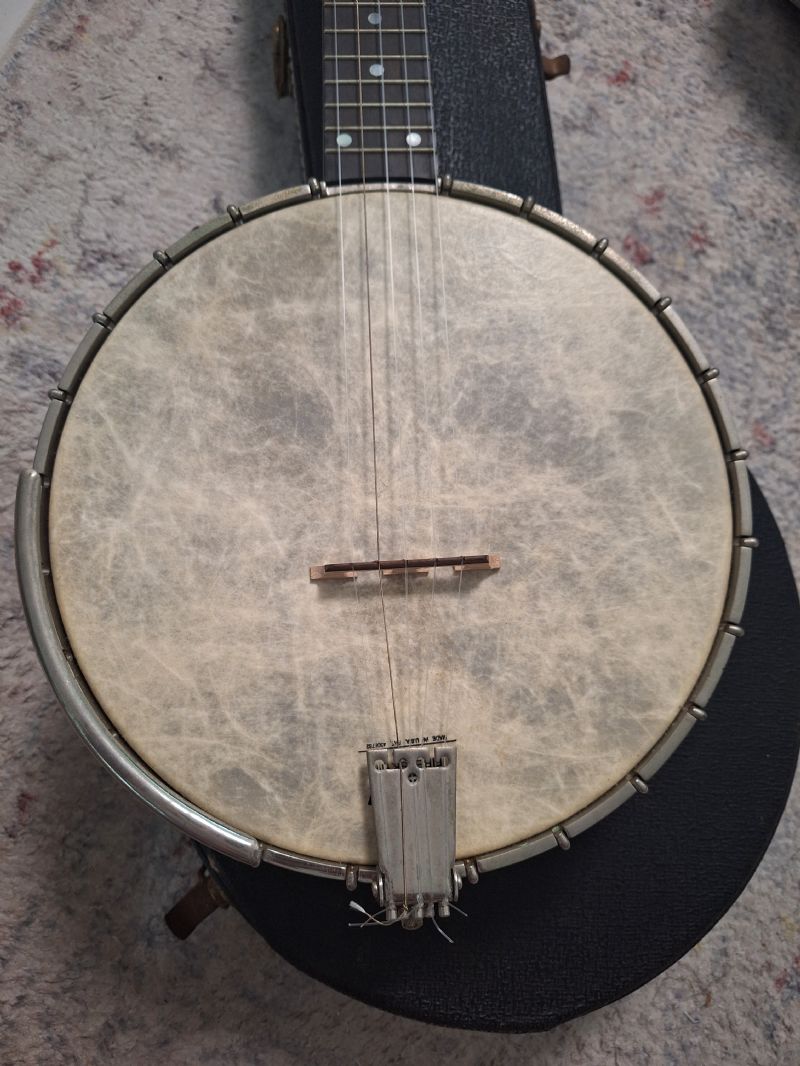
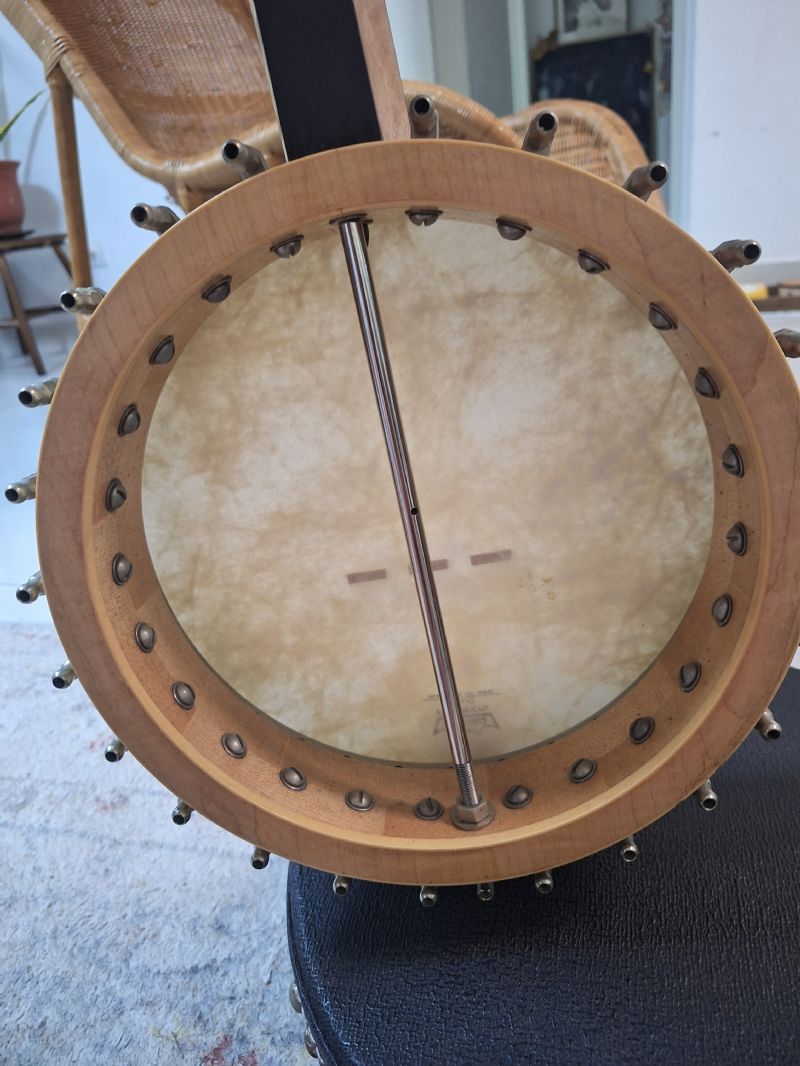
The banjo is definitely playable and structurally seems sound. The neck is straight, it holds tuning, and I am comfortable doing the normal setup work myself. It has a Fiberskyn head, a Tubaphone-style tone ring, and is currently set up with nylon strings, so it should be a great clawhammer banjo once it has had some TLC.
However, cosmetically it needs attention:
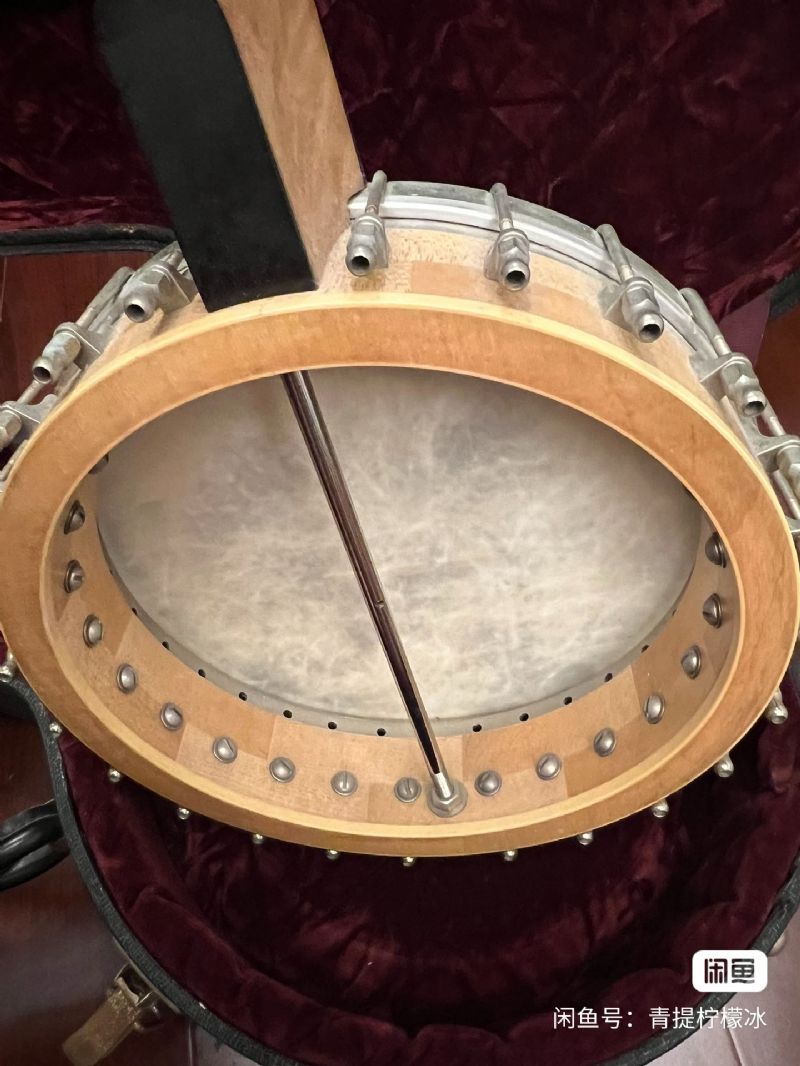
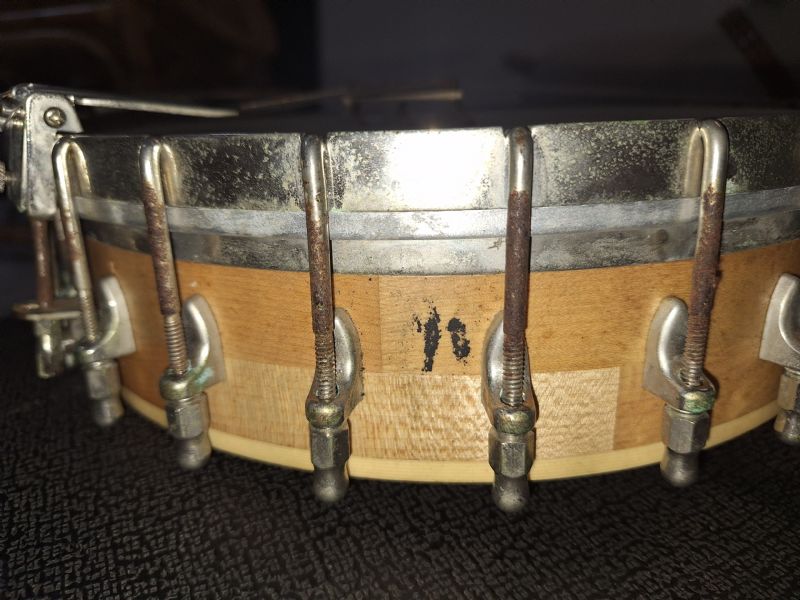
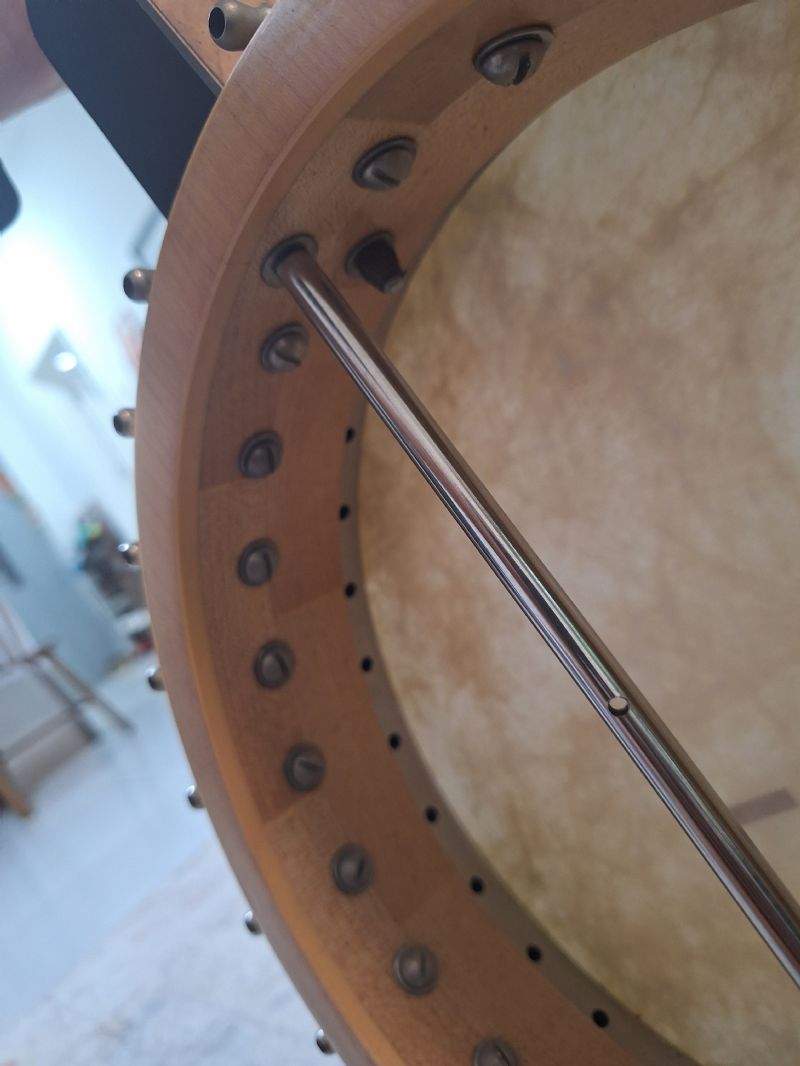
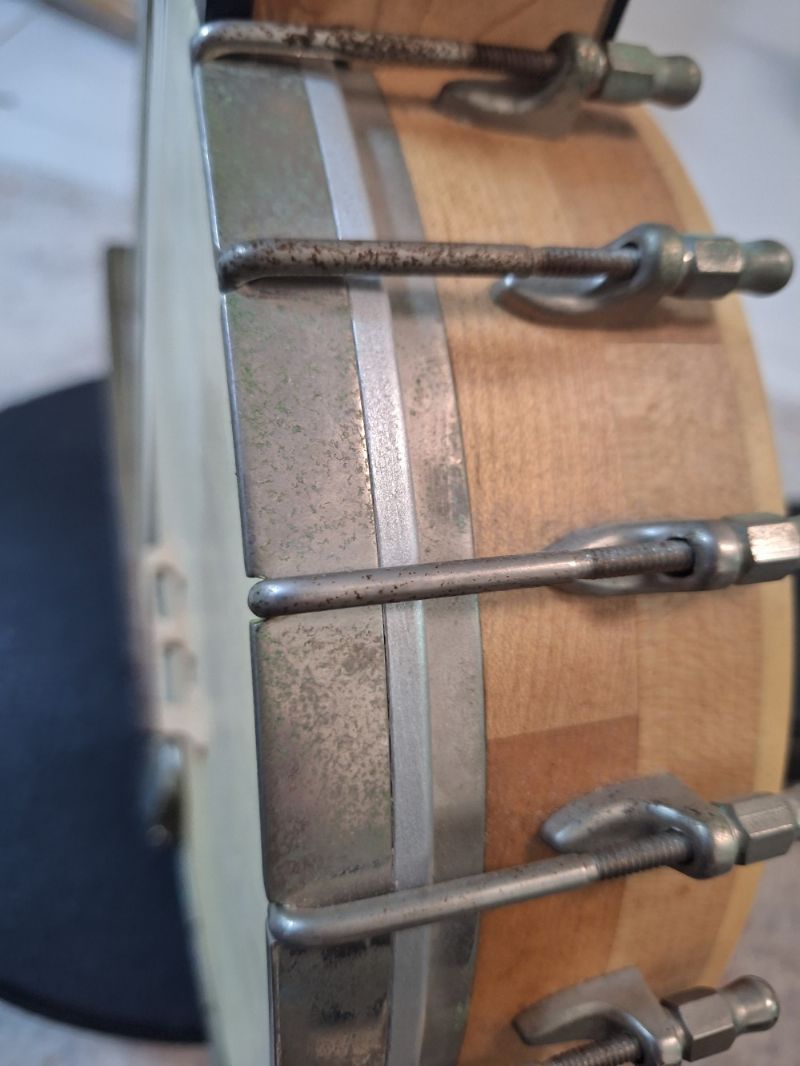
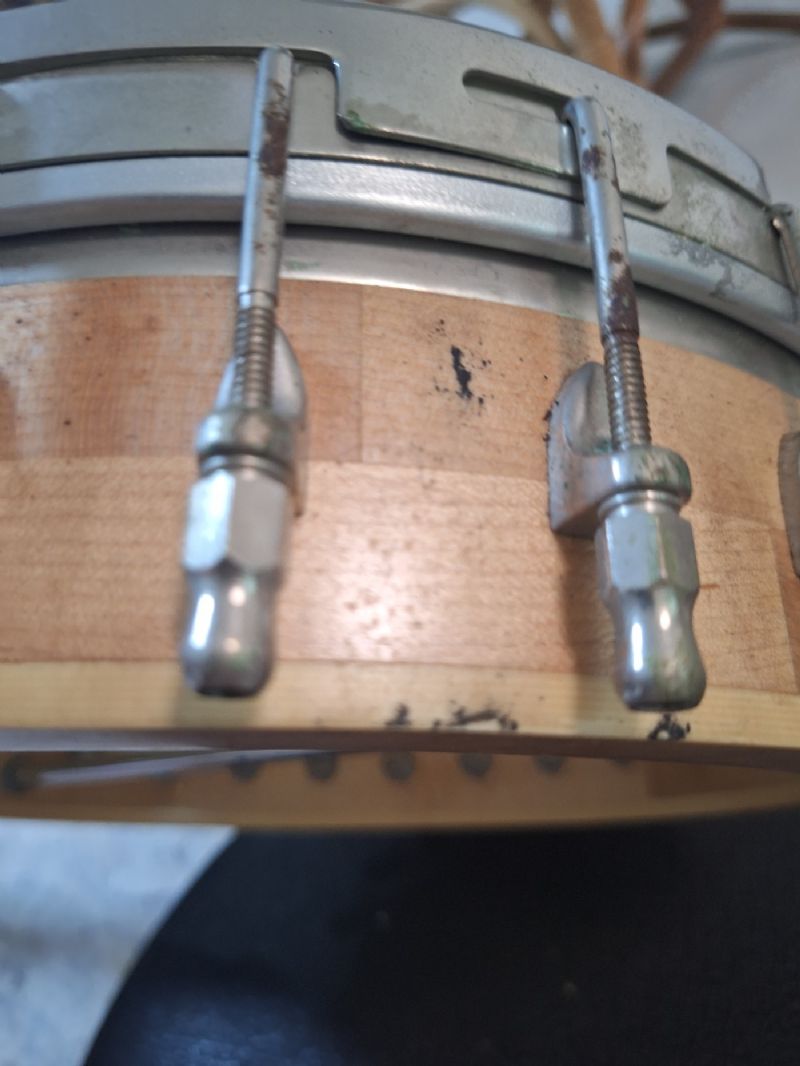
- There are some stubborn black marks/stains on the maple pot/rim that do not come off with a dry cloth or a finger.
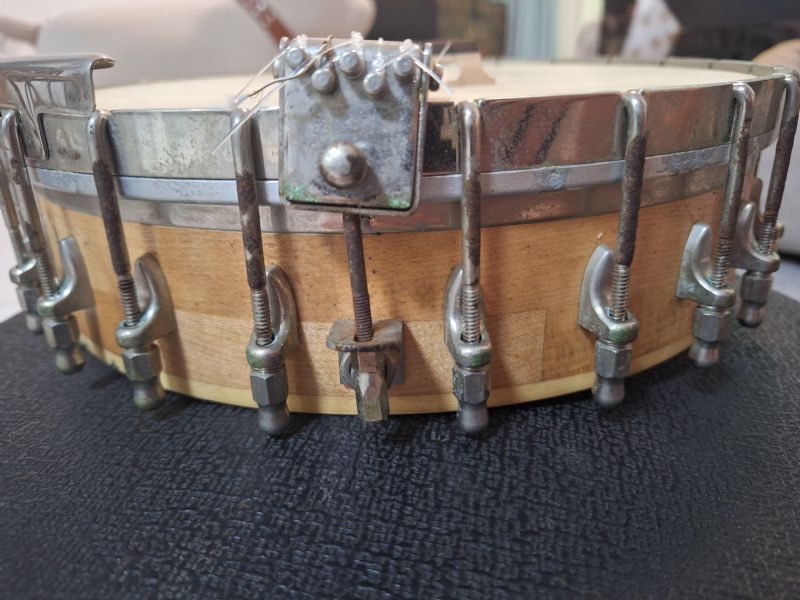
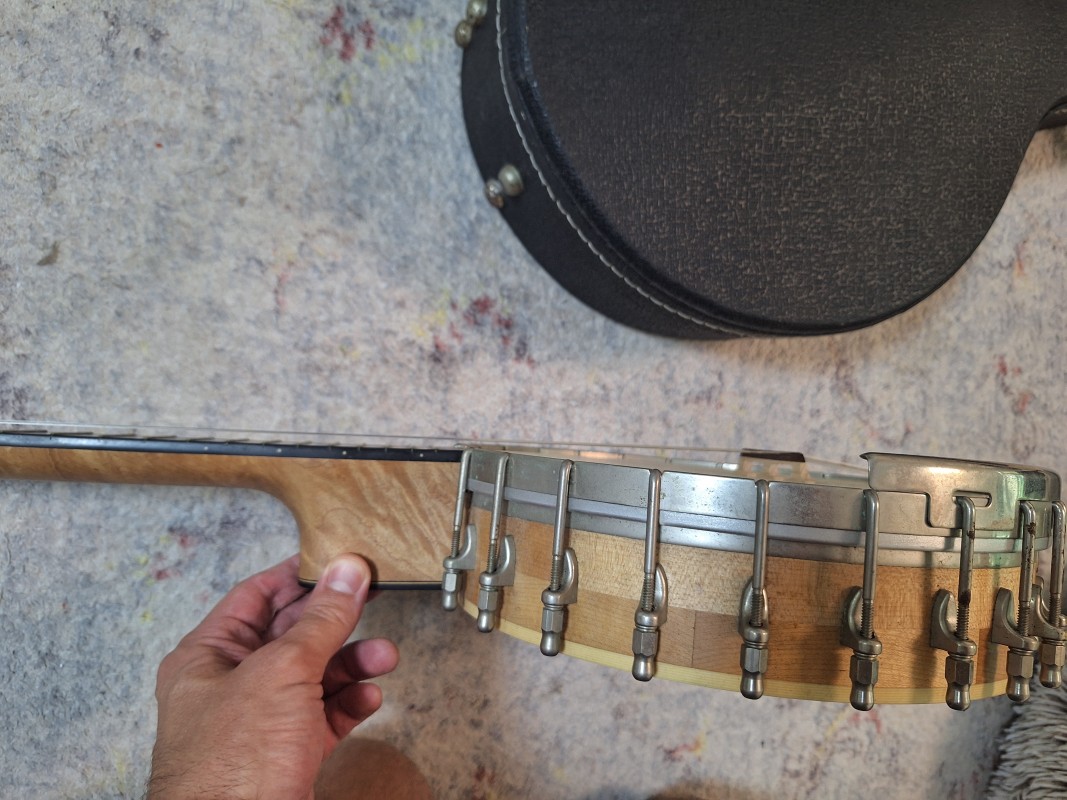
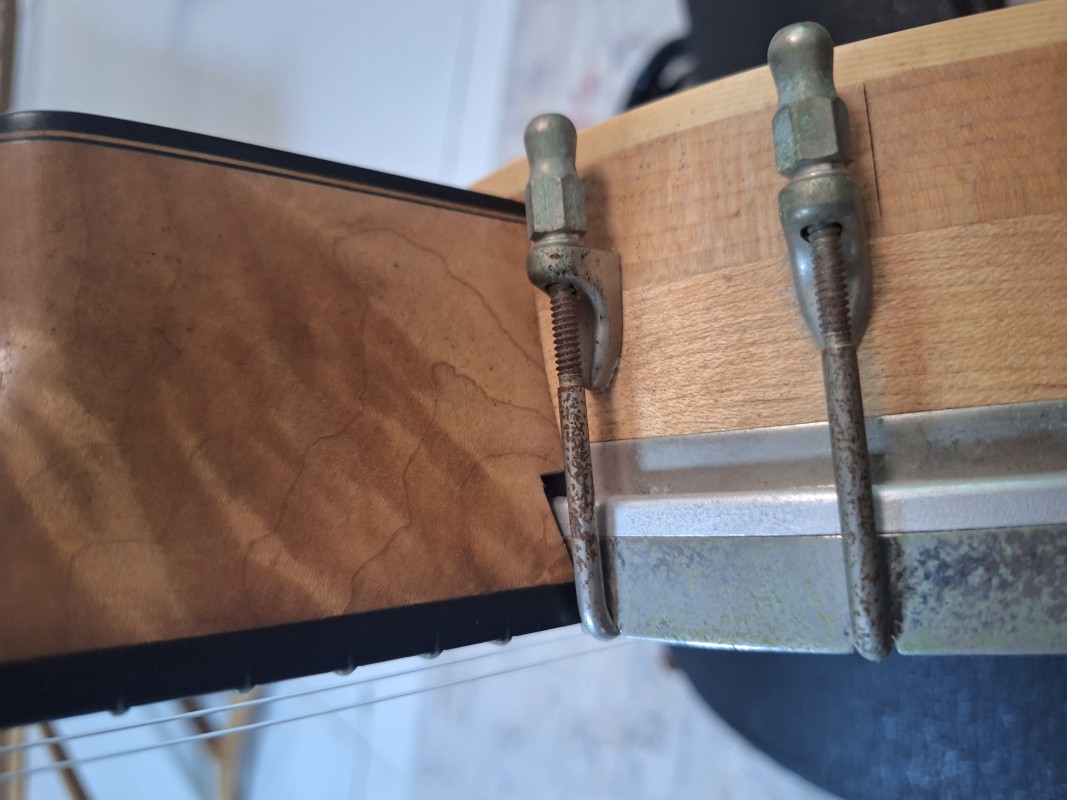
- Many hooks, nuts, and other metal parts have varying degrees of rust, oxidation, and tarnish.
- The tailpiece and other nickel-plated hardware are dull and somewhat pitted/tarnished.
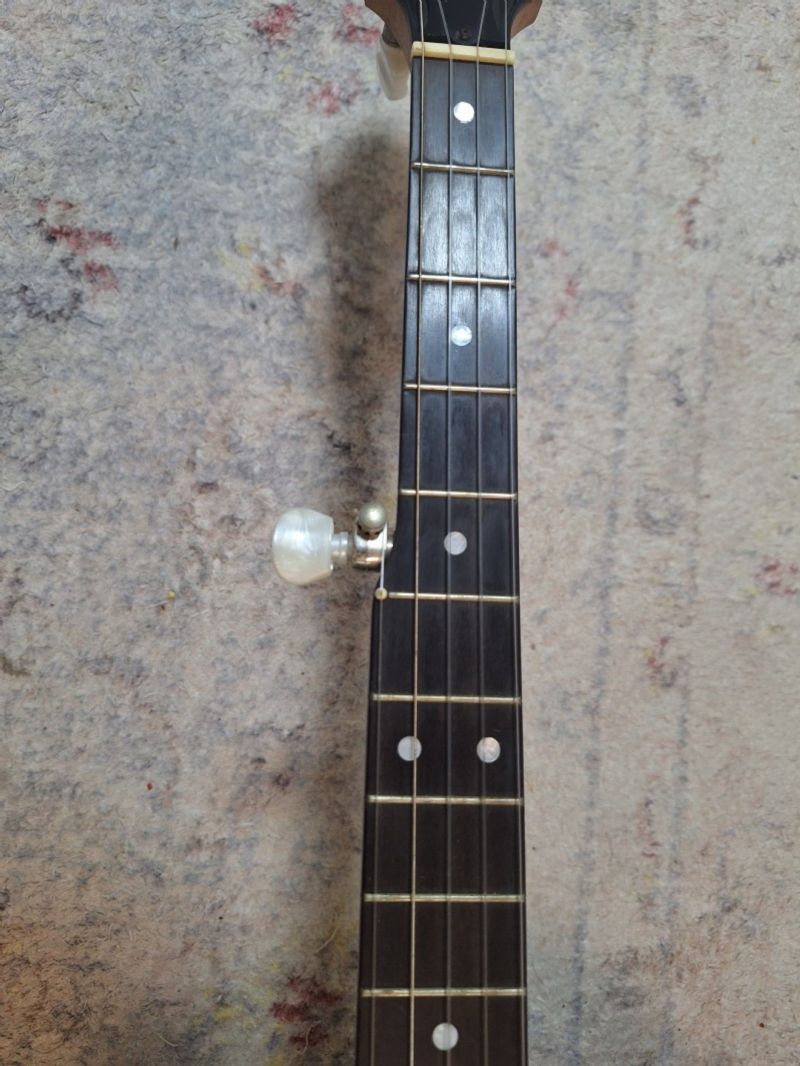
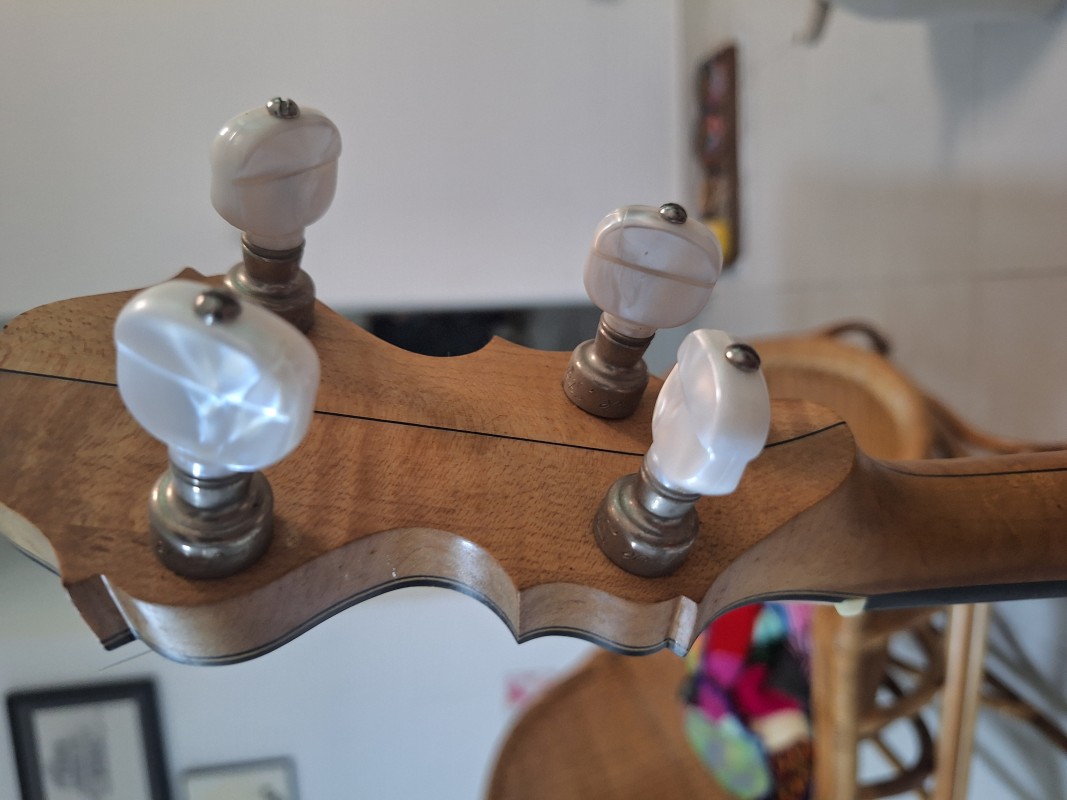
- The fingerboard and frets could use cleaning and conditioning.
- I will document everything carefully, strip it down gradually, clean and inspect all parts, clean/polish the frets, condition the fingerboard appropriately, and then reassemble/setup the banjo.
From searching the archives, my current plan is:
1. Use a gentle metal polish sparingly on removable nickel-plated or tarnished parts.
2. Use Evapo-Rust only on genuinely rusty, removable ferrous hardware such as hooks and nuts—not on the banjo itself, wood, head, or plated components unless appropriate.
3. Avoid aggressive abrasives, wire wheels, coarse steel wool, or anything that would remove original plating and make the banjo look over-restored.
4. Treat the Fiberskyn head gently and avoid getting cleaning products or metal polish on it.
5. Clean the wood with the mildest possible method first, but I am unsure what is safest and most effective for the black marks.
My priority is not to make it look brand new. I want to preserve its original character and patina while making it clean, stable, properly functioning, and presentable.
For those who have restored older Wildwoods or similar nickel-plated open-back banjos:
- What would you use first on the black marks on the maple rim/pot?
- Is Evapo-Rust the right choice for the really rusty hooks and nuts, assuming I remove and dry them properly?
- What metal polish or process would you recommend for the tarnished nickel hardware and tailpiece?
- Is there anything in the photos that concerns you mechanically or structurally?
- Are there any particular Wildwood-specific details I should preserve or avoid disturbing during disassembly?
Photos attached. Thanks in advance—I would really appreciate any advice from people who have worked on older Wildwoods, Tubaphone-style banjos, or similar instruments.
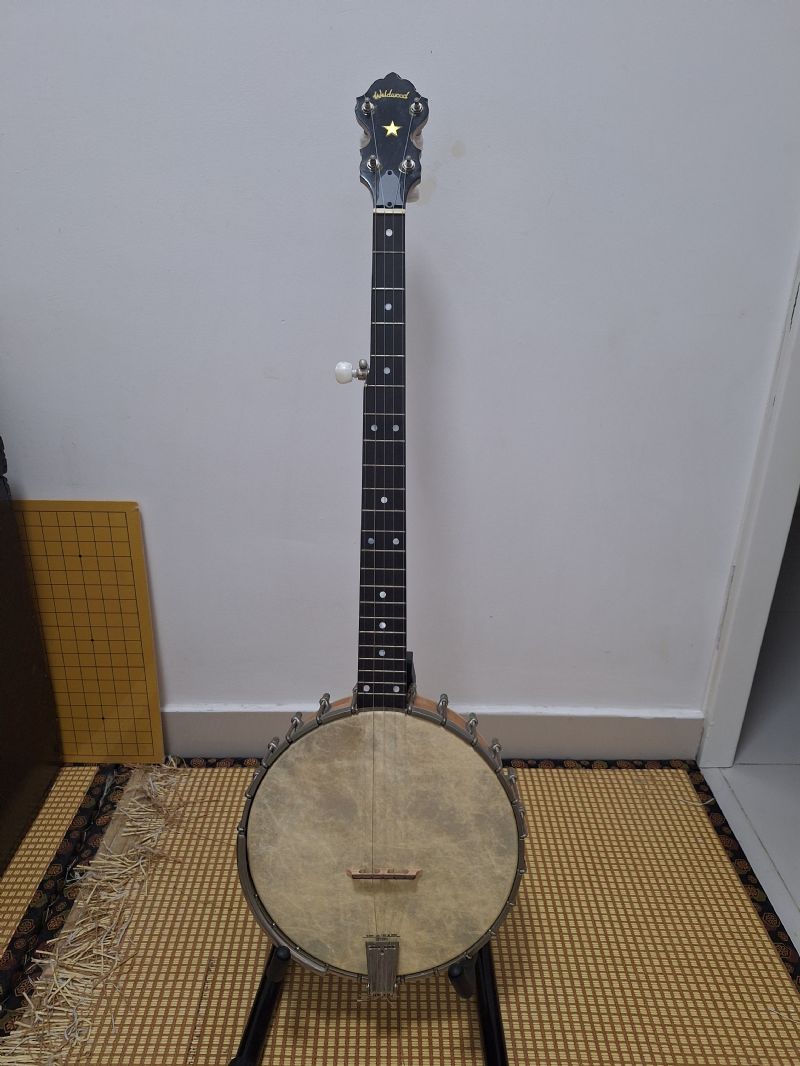
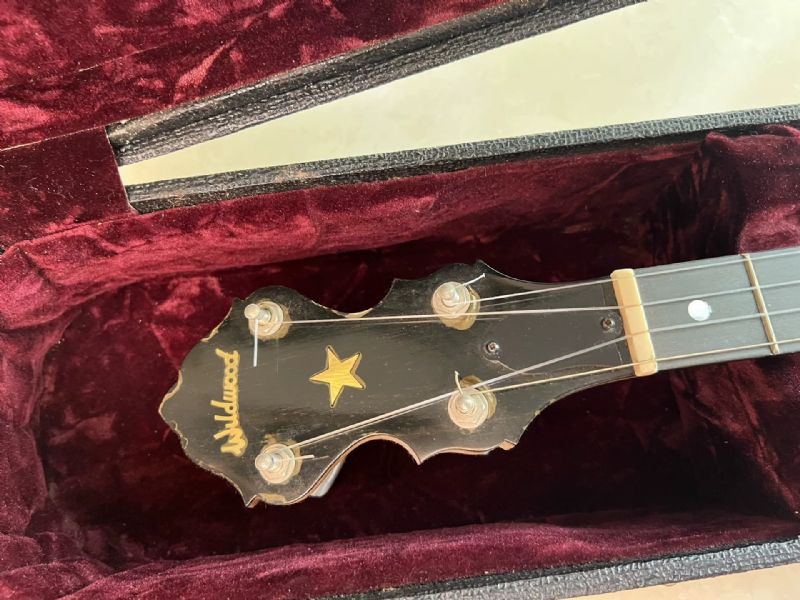
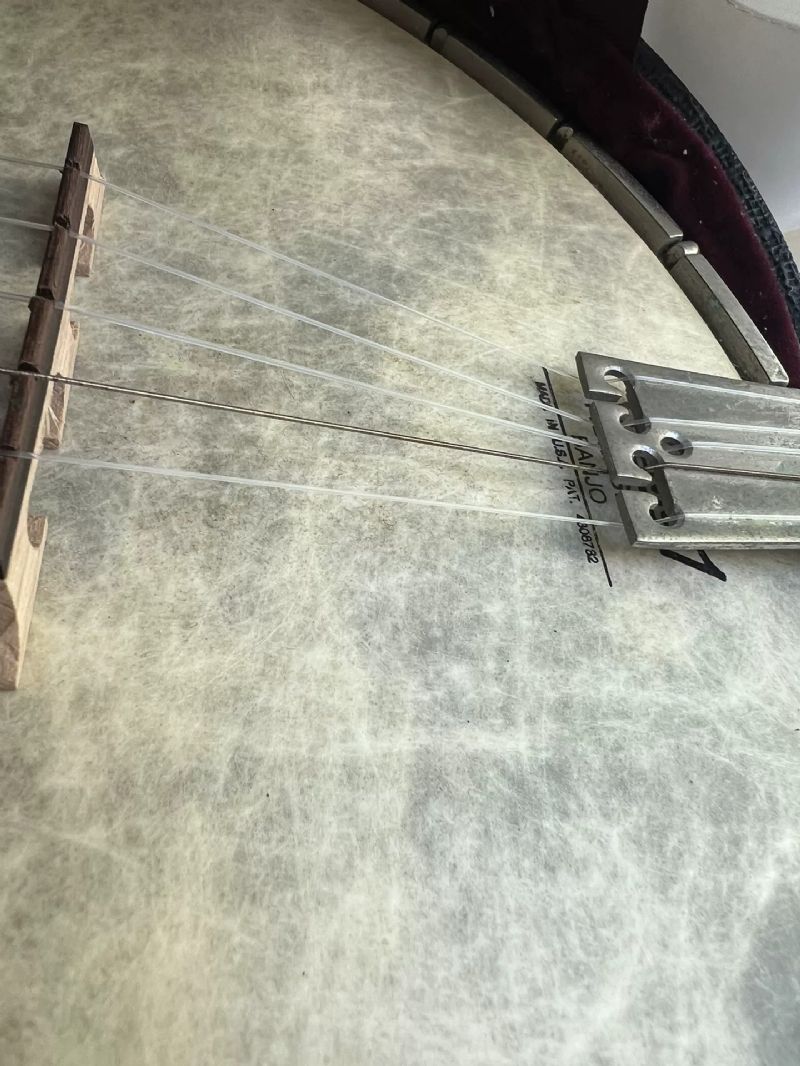
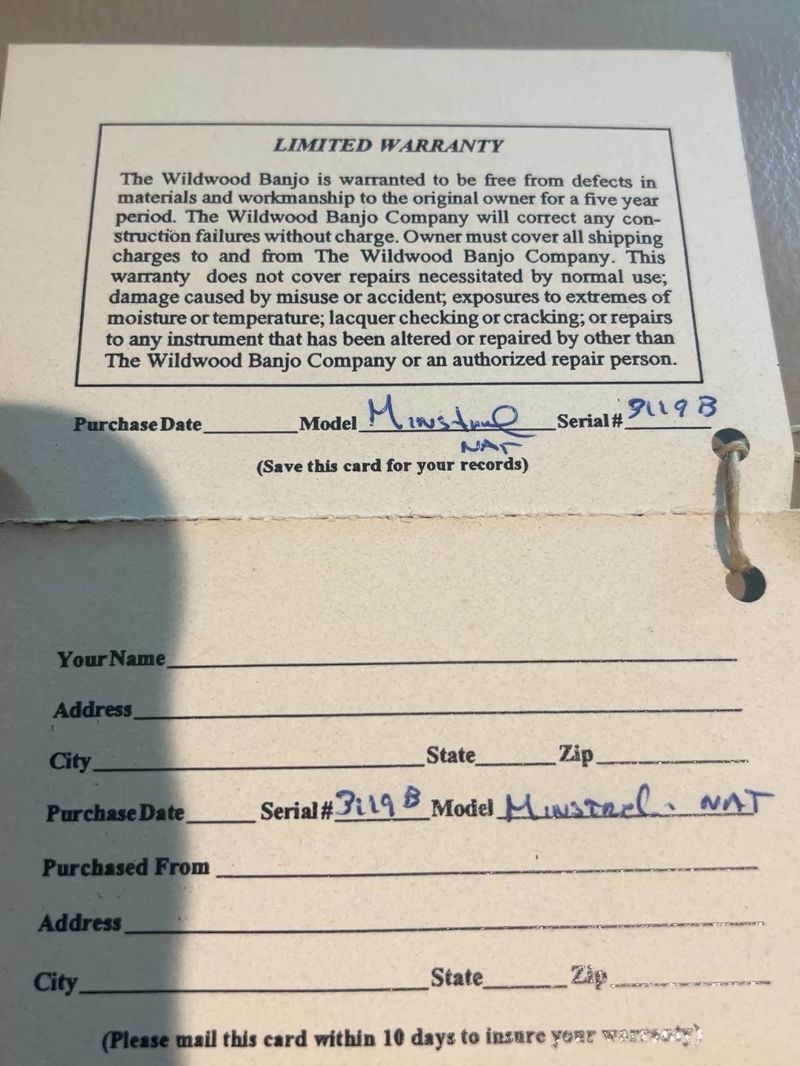
Edited by - joddball on 08/15/2026 17:05:13

Congratulations - you've got yourself a fine banjo. I have one just like it -- same finish, inlays, appointments, tone ring -- and it is a sweetheart.
One approach to take with "restoration" would be to do as little as possible. Just wipe off the dust/grime, and otherwise accept the patina as "beausage" (mashup of the words beauty and usage -- coined by Grant Peterson of Rivendell bicycles...).
It does look like you may need to deal with rusty threads on the hooks/nuts. Otherwise they may not turn smoothly when tensioning the head. You can try removing them, soaking in a mild vinegar solution for a bit, hit the threads with a toothbrush, then thorougly rinse/dry. A drop of 3-in-one oil or beeswax on the threads when you are reinstalling should do the trick. (A beeswax tip I recently discovered -- use some beeswax iipbalm!)
You could also invest in a new set of hooks/nuts if these are too far gone. Your banjo would be worth the extra expense.
I like a product called Meguiar's "Scratch-X". It is designed to remove blemishes from automotive paint without damaging the finish. It is a very gentle polish yet effective. This may help remove the black marks on the pot without damaging the varnish underneath. I've also used Scratch-X for polishing the tarnish on banjo tension hoops. (Beware, though, this suggestion might send other bho members into an apoplectic fit.)
Evidently the previous owner was not a fan of the Wildwood's inherent tonal character. The nylon strings and fiberskin head will significantly dampen this banjo's ability to sing. At some point you may want to consider a new set of steel strings and a renaissance head -- or even skin -- just sayin'.
Enjoy your new banjo. A real score! And what a story it must have, to be discovered in China...

Hey Silver Falls, thanks for your response!
Love the term "beausage" - though I'm thinking here it might be more "beauglect"  . The banjo was in Chongqing (Southwest China), which is quite humid. The previous owner bought it in the states and brought it back with him, and said he hasn't had it serviced or repaired over the time he had it - are you saying that the instrument did not come with the Fiberskyn head originally? If not, what was the original head like? I do have spare steel strings around, can definitely give them a try.
On the rust, it is quite heavy, and based on previous experience I'm not sure that vinegar will do the trick for such deeply ingrained rust. I don't mind a bit of character, but also don't want to have to do a complete disassembly every year just to stay on top of the rust issue. Any experience using "Evapo-rust"?
Thanks also for the tip on Scratch-X - unfortunately I could not find it for sale here. I'll look in to it and see if I can find an equivalent cleaning product, but also keep an eye on any other suggestions from BHO members.
While I do have some commercial rust remover (I think it's based on oxalic acid, something called "Barkeeper's Friend"), so far I've never yet had the need to use it. A solution of household white vinegar and water, mixed 50/50, has always worked well enough. On things like old bicycle parts and battery terminal corrosion in old radios.
The vinegar solution can be rubbed on flat parts with aluminum foil believe it or not, the idea being that will get the rust while preserving the paint as much as possible (because aluminum is softer). A fine brass brush may be helpful on the threads.
For a "Scratch-X" substitute, you might begin with toothpaste. It has an abrasive that may take off those black marks gently. As well as making your banjo smell minty fresh. Otherwise, have a look in at the local automotive shops and "panel beaters", see if they have something that meets the same purpose of "Scratch-X".
Yes, the fiberskin head on yours may be original. The surface of it may be cleaned with a bit of good old Dawn dish soap -- something good for getting grease off. It will look good as new after that.
The banjo case itself may have been responsible for a lot of the patina and corrosion you are now seeing. In a humid environment, the case will trap and absorb moisture, and keep that moisture in constant contact with the banjo parts. Open up the case outside on sunny days to see if you can dry it out thoroughly (as long as no cats are around), maybe use a hair dryer. Otherwise, best not to use the case for long-term storage in that environment. Your banjo needs to breathe some fresh air!
Lot's of jabber. Don't worry, you and your banjo are gonna be just fine!
Nothing special about the hardware on this. Easier to replace than re-plate. 2002 hardware is probably Korean but could be Chinese. This was before Greg Rich’s campaign to re-establish USA threads on banjo hardware.
The tailpiece is a standard Waverly Old Style repro—I keep them in stock. Am on vacation till September (in Greenland at the moment) but am glad to help when I return.
Nickel plated steel hooks with brass nuts. Paint some WD40 onto the threads and wait 36 hours before trying to loosen. I spray it into the cap and use a Q-Tip. Or you can take diagonal cutters and just cut them off. Bacon style nuts used to be the only thing you could buy. They are being made again but with USA threads.
quote:
Originally posted by mikehalloranNothing special about the hardware on this. Easier to replace than re-plate. 2002 hardware is probably Korean but could be Chinese. This was before Greg Rich’s campaign to re-establish USA threads on banjo hardware.
The tailpiece is a standard Waverly Old Style repro—I keep them in stock. Am on vacation till September (in Greenland at the moment) but am glad to help when I return.
Nickel plated steel hooks with brass nuts. Paint some WD40 onto the threads and wait 36 hours before trying to loosen. I spray it into the cap and use a Q-Tip. Or you can take diagonal cutters and just cut them off. Bacon style nuts used to be the only thing you could buy. They are being made again but with USA threads.
Thanks Mike - do you mean the tailpiece looks like it needs to be replaced? Could you post to Beijing? Do you stock the hooks and nuts as well?
Appreciate your help!
The black marks on the rim may very well come from the plastic or rubber bumpers on a banjo stand. Sometimes the black dye bleeds right into the banjo finish and can't be removed because it's beneath the surface. Happens a lot on banjo pegheads from electronic tuner clamps too.
To clean the tension hooks and threads try good old Coca Cola. It contains phosphoric acid I believe (yum!) and has been known to clean metal parts from autos for decades. Try one hook/nut first and see how it goes. Soak and scrub with plastic brush like a toothbrush. Avoid metallic bristles.
If it 'twere me I'd just try to get rid of the rust and not go too crazy trying to "restore" any further.
@mikehalloran “Open up the case outside on sunny days to see if you can dry it out thoroughly (as long as no cats are around)”
Is this from experience? You had some neighbourhood cats take up residence in your banjo case??
Edited by - joddball on 08/17/2026 21:32:57
quote:
Originally posted by The Old TimerThe black marks on the rim may very well come from the plastic or rubber bumpers on a banjo stand. Sometimes the black dye bleeds right into the banjo finish and can't be removed because it's beneath the surface. Happens a lot on banjo pegheads from electronic tuner clamps too.
To clean the tension hooks and threads try good old Coca Cola. It contains phosphoric acid I believe (yum!) and has been known to clean metal parts from autos for decades. Try one hook/nut first and see how it goes. Soak and scrub with plastic brush like a toothbrush. Avoid metallic bristles.
If it 'twere me I'd just try to get rid of the rust and not go too crazy trying to "restore" any further.
Yes I was thinking that they could be from a banjo stand too! They seem to be in that position.
Good tip on using Coke - in fact I recall a friend who used to work at the Coke factory in my home town back in the day (around the 70s) said that their own in-house mechanics used to use coca cola to clean the engine blocks... yum indeed!
Thanks for the advice - yes I really just want to get it a bit shinier and remove those black marks if possible.
Terms of Use | Privacy Policy | Privacy Consent (EU/GDPR Only)
Copyright 2026 Banjo Hangout. All Rights Reserved.


