This may be a bit of an unusual long shot, but I thought I'd ask here in case anyone has some insight.
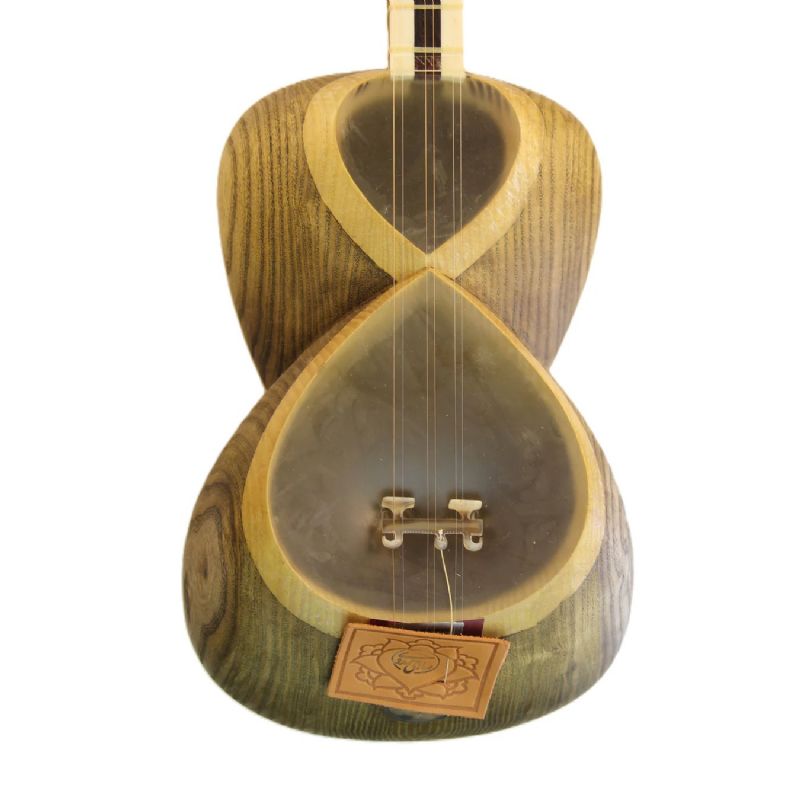
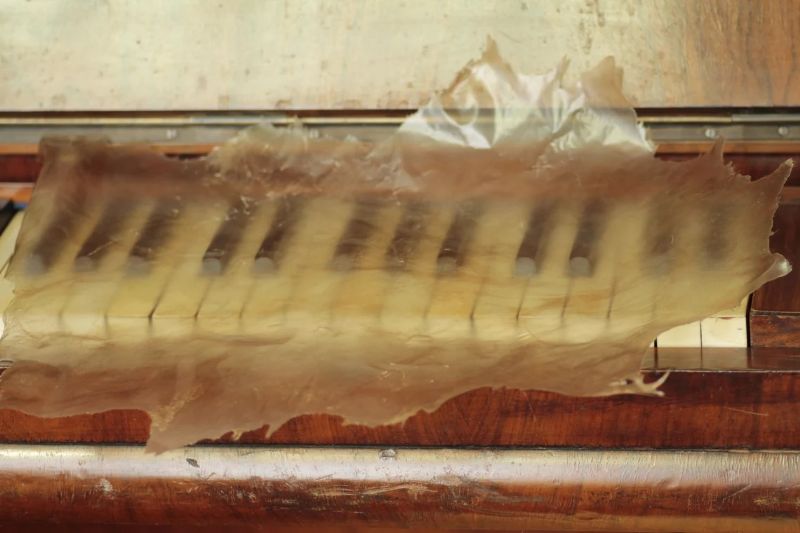
I'm an Iranian musician, and I play the Tar, one of Iran's traditional stringed instruments. The Tar has an extremely thin sound membrane (around 0.05–0.07 mm thick, although I'm still confirming the exact figure). Traditionally, this membrane is made from the skin of an unborn lamb or kid (young goat). The skin is stretched across the opening of the instrument, with the bridge resting directly on it. Somewhat similar to a tackhead banjo, except that the membrane is glued to the body rather than tacked.
Personally, I find this practice ethically unacceptable, so I've been searching for a suitable vegan alternative. There are two main reasons for this:
The reason I'm asking on a banjo forum is that, years ago, when I was learning clawhammer banjo while studying in Boston, MA, I remember seeing a variety of synthetic banjo heads that were designed to replicate natural skin with satisfactoy results.
Has anyone here experimented with modern synthetic membranes that are exceptionally thin or know of materials that might be suitable for this kind of application? I'm looking for something that comes as close as possible to natural skin in terms of acoustic properties while offering better environmental stability while also avoiding the ethical concerns altogether.
I'd really appreciate any suggestions or ideas, even if they're a bit unconventional.

I have no idea of the dimensions of a tar, but if the required space is less than 11 inch in diameter, I would try a Remo renaissance banjo head, cut to fit the dimensions.
If 11 inch is to small, check drum heads, which come in bigger sizes.
Edited by - pfalzgrass on 06/30/2026 11:33:00

The Mylar in banjo heads is 8mil thick. Whatever coating that goes onto it is adding to the thickness. Some drum head makers including Remo make thinner drum heads. I have used thinner drum heads on some of the banjos I’ve made. I don’t know if they’ll go down to a thickness that would suit you but I recall seeing a 2mil drum head on the market.
Mylar heads made for the bottom of a snare drum are very thin. Try to find one that is large enough to cut out the material from its' mounting hoop for your purposes. However, the fact that it will have to be glued onto a Tar could present some problems of adhesion. Best of luck.
Part of the problem will be tensioning it. For tars, the skin is glued on wet so that it tightens when it dries. Just gluing on a plastic skin, without some tensioning system like on a banjo, wouldn’t give enough tension. Maybe a heat shrinking plastic? Like window film or what hikers who use it as a ground sheet call “polycro”. Apparently the thicker ones like this are 0.025 mm to 0.038 mm:
duckbrand.com/products/weather...0-in-5-pk
I’ve never tried any of this though.
This is probably going to sound odd but perhaps it could be done with paper. I have some ideas that could work. It would involve a departure from the traditional instrument above visually but aiming to get the same sound qualities. I would be interested to have a try. I do intend to make a paper top/head instrument based on a tensioning system that I recently invented.
Around the 1920's there were drum heads being made to get around the weaknesses & humidity issues of skin. They were made of silk, lightly treated w/ (varnish, lacquer ?? I once had a Lange banjo uke w/ this head( cannot remember the company name), but this could be an alternative material.
Edited by - tdennis on 06/30/2026 15:11:56
I think Tyvek would be an appropriate thickness, but adhesion experimentation will be necessary.
Best of luck on this adventure. Please report back with successes and failures.
Bob Smakula
smakulafrettedinstruments.com
quote:
Originally posted by martyjoeThis is probably going to sound odd but perhaps it could be done with paper. I have some ideas that could work. It would involve a departure from the traditional instrument above visually but aiming to get the same sound qualities. I would be interested to have a try. I do intend to make a paper top/head instrument based on a tensioning system that I recently invented.
My Javanese gamelan teacher recently replaced the head of a rebab (spike fiddle) -- which is traditionally made from water buffalo intestine flattened out into a sheet -- with a wood veneer. It produces a surprisingly nice tone, although it is a bit quieter than the original. If I were to try the same, I would probably add some light and flexible bracing to counteract downward pressure from the bridge. I could imagine a strong paper working as well provided that the head surface is not too large.
The paper idea sounds great. It could also be applied wet, and get some tension, when drying.
Please report back what worked, and what didn‘t.
Hi and thank you for all the insightful comments.
After reading your experiences and thinking about it, I conclude it may be wise to change how the synthetic membrane is attached to the body and tensioned.
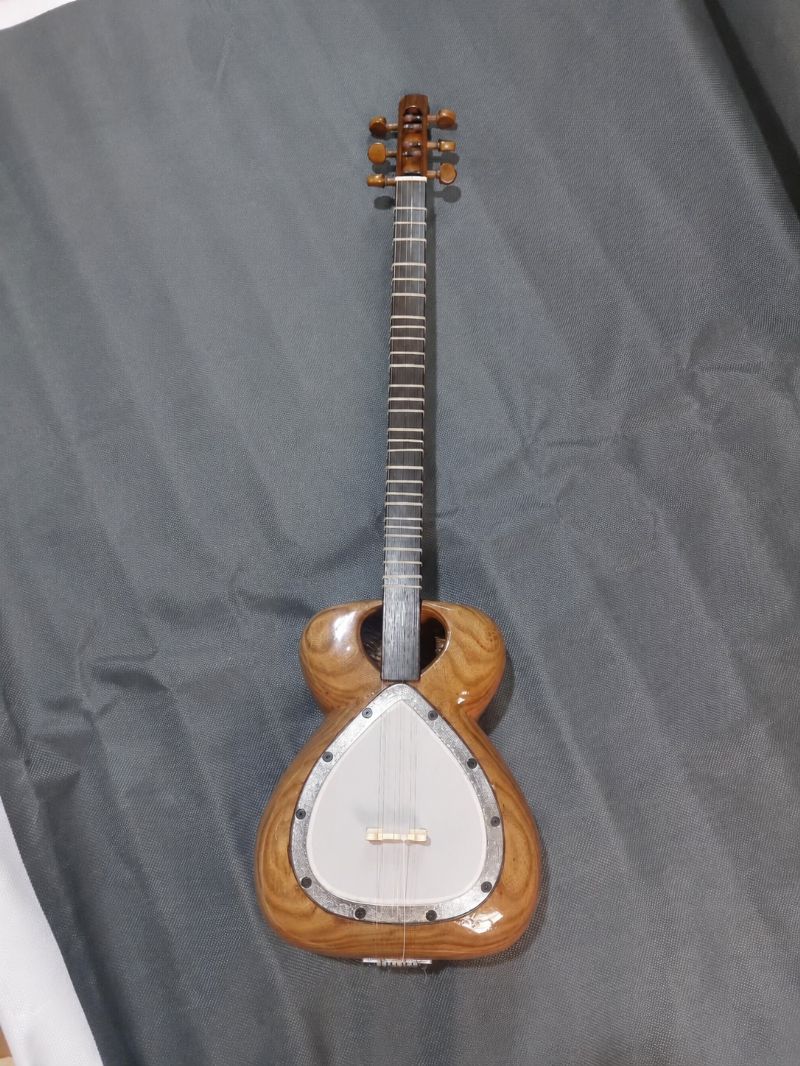
There is someone already using synthetic material for the sound membrane but I'm not sure how it is tensioned.
Terms of Use | Privacy Policy | Privacy Consent (EU/GDPR Only)
Copyright 2026 Banjo Hangout. All Rights Reserved.