I’m going to try nylguts on a bluegrass banjo. Anything I need to know? I’m going for a full sound with sustain, not too bright. Not sure if a head change would be required, but open to it.

If you like it, please consider putting up a vid. I would love to hear what they sound like on a BG banjo.

tonygo Definitely!
But if I don’t like it, no video.
I tried both nylgut and nylon on my Stelling. Nylon was much better than Nylgut. I tried the Clifford Essex Medium and Heavy gauge nylons.
Here's their gauges, you can order singles from here in the States and make up your own sets.
MEDIUM GAUGE
24, 28, 32, 28w, 24
HEAVY GAUGE
26, 30, 34, 30w, 26
Several of the Classic Style players prefer the brighter sound of plastic heads (and nylon strings). I prefer calfskin, which is a good bit mellower. I did not like the overall sound of the Stelling with nylon. It is an archtop, so maybe too shrill for me. I have a Sullivan tube-and-plate with a Kulesh ring (and a Nechville neck) that I've been threatening to try with Nylons. Just haven't done it...yet!
Edited by - trapdoor2 on 06/21/2026 14:02:16
Depending on your current string gauge, your nylgut set, and the phase of the moon, you may need to widen your string slots. You probably have a collection of bridges, so be sure to try more than one before you decide. You probably already know you need to make your string slots super smooth to avoid breaking the nylgut. I learned this the hard way. The red strings break easier than anything else I've tried. That being said, I like the set with a red 4-string.
Unlike steel, you don't wanna leave ANY slack when you start winding. On the contrary, pull as tight as you can before you start winding or you'll end up with a big ball of string on your peg. (Learned that the hard way too).
It takes a day or 2 for nylguts to stretch and settle down. Stretching by pulling usually leads to early failure. Guess how I learned that!
Looking forward to hearing the results!
Edited by - Jon Borcherding on 06/21/2026 14:04:03
Nylon shmylon. Huber strings forever.
I’m already sure that I’m going to tune it down a step, maybe more.
If you don’t like Nylgut, try high-tension nylon.
quote:
Originally posted by Laurence DiehlI’m already sure that I’m going to tune it down a step, maybe more.
Why? Nylon and NylGut can easily be tuned to standard pitch.
The only issue I know is getting the gauges that approximate the tone you want. I like the Aquila 7B set because of the metal wound 4th string that gives it a more robust tone than those sets that use the red strings down there (but I carry those, too).
Instruments must be prepared for NylGut so that there are no burrs or sharp edges anywhere that can nick or tear the strings. Nylon is more forgiving. Both wear well.
I have my opinions which I am often happy to loudly offer (even if nobody asked or wanted them).
What is the goal? You want sustain and "full sound"? Get a heavier bridge and keep the wire.
Your so called "bluegrass" banjo, though introduced for plectrum playing and wire strings, were put on the market when gut string banjos were still a thing (though obsolescent). Burt Gedney played a Gibson Ball Bearing, Alex Magee had Gibson make a custom 12" archtop with a cutaway resonator (it is still extant, google it).
Sure, you can slap thick plastic strings on and make no other changes. Expect buzzing.
There are 4 main differences between a plectrum banjo (what your bluegrass banjo was originally designed as-- even with 5 strings) and a fingerstyle gut (nylon) banjo.
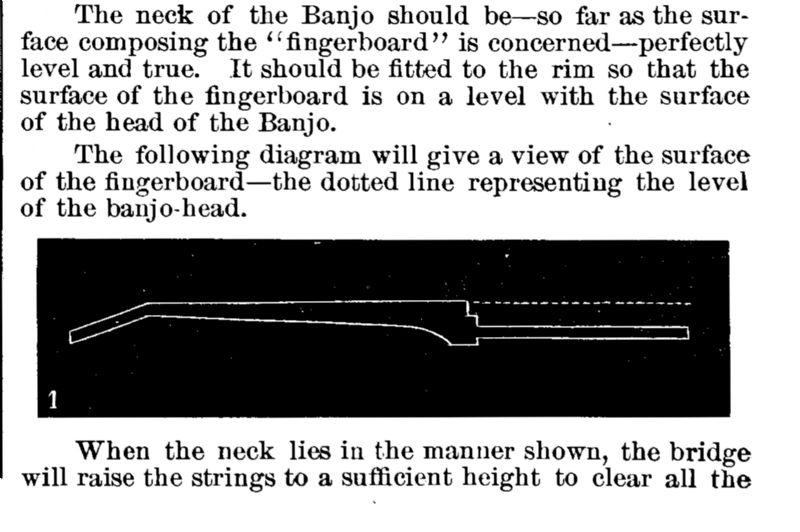
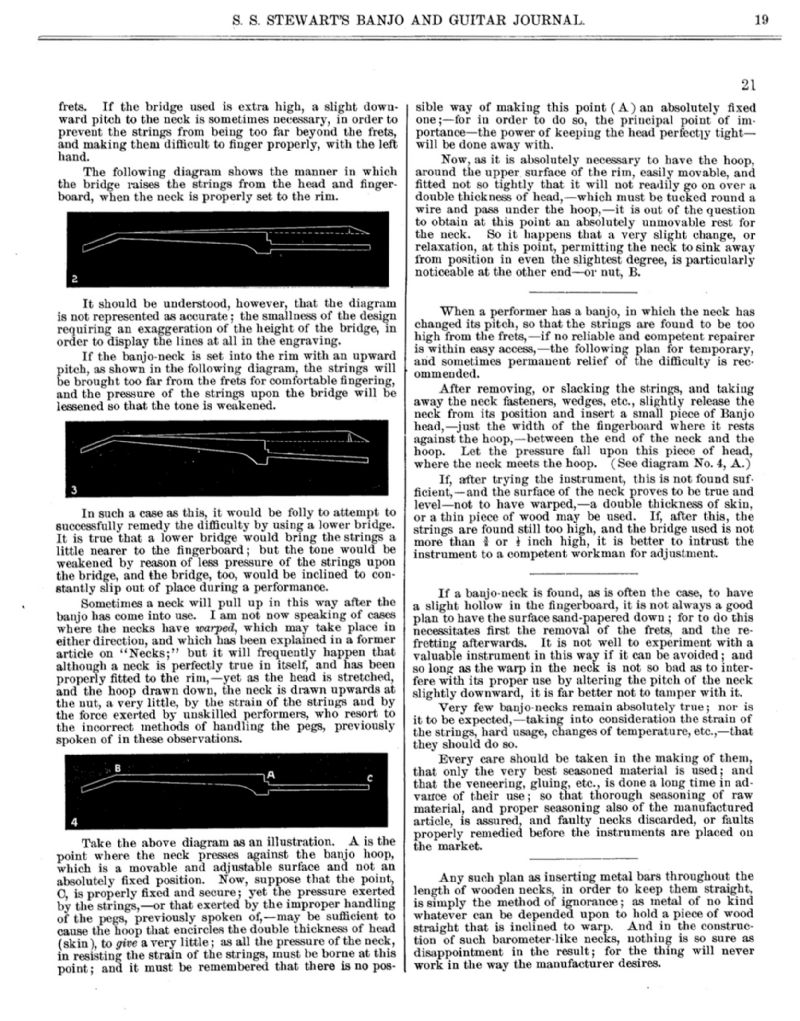
The main difference is the neck set (and for a good reason). Nylon strings should have a zero, or nearly zero angle. With zero and the correct 1/2" bridge you get 3/16" to 1/4" at the 12th which is correct to prevent buzzing with a full tone. A tiny bit of angle will give you that same action (which is needed) but with a 5/8" bridge.
With the regular back angle, to get a full tone, you will need to use a 3/4" or 1" tall bridge.
Lesser differences: Small frets. These work great for nylon.
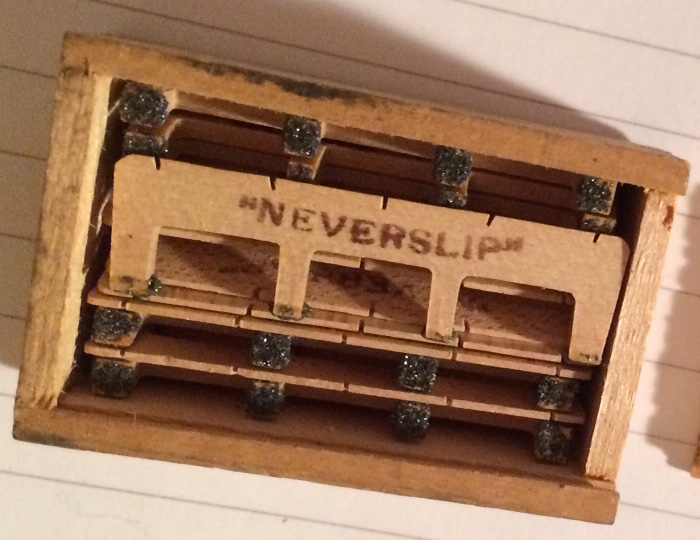
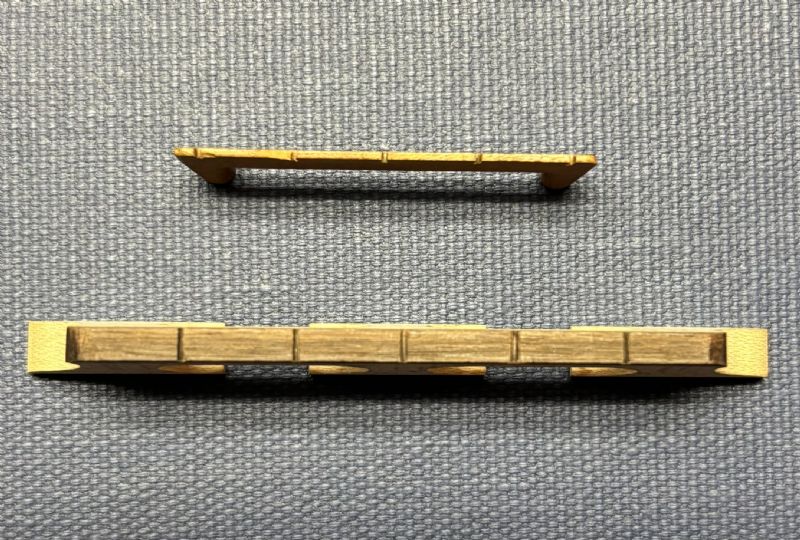
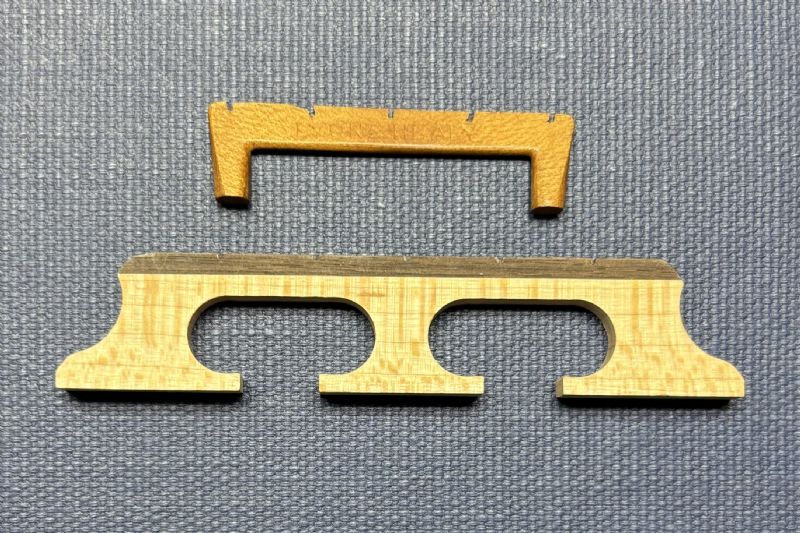
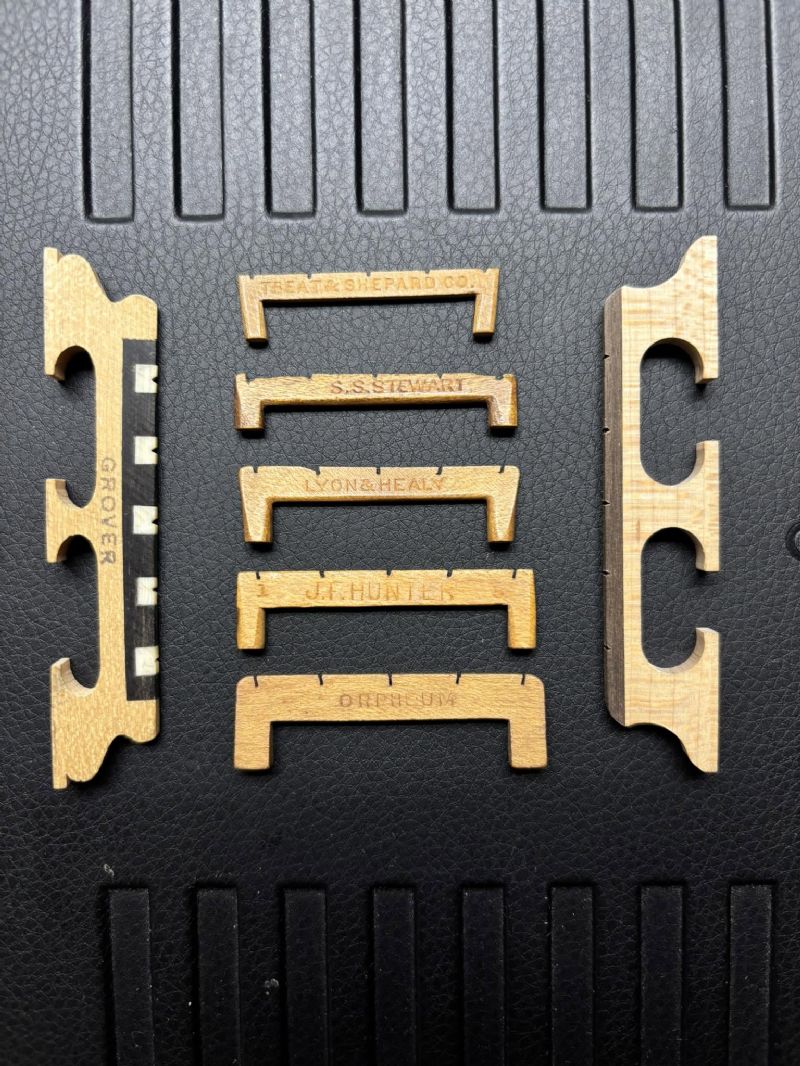
A very light all maple bridge. About 1mm thick (or less) at the top and about 4mm or less at the bottom. This should also have the notches cut at angles in towards the third string (see image below).
While I prefer friction pegs, gears are fine.
Circling back, the "modern banjo" was put in final form for plectrum playing-- and there it froze. The back angle and higher bridge set up was done to allow for lower action (wire strings move less and are less elastic thus more sensitive to stretching and poor intonation when fretted). The 5/8" bridge was to give more clearance so that the plectrum did not scratch a hole in the head.
Consider the differences between a D-28 and a Spanish "classical" guitar. The Spanish guitar will have a much thinner sound board and the necks are set at a slightly negative angle. They are basically two different instruments.
Nylon and Steel banjos are also two different instruments.
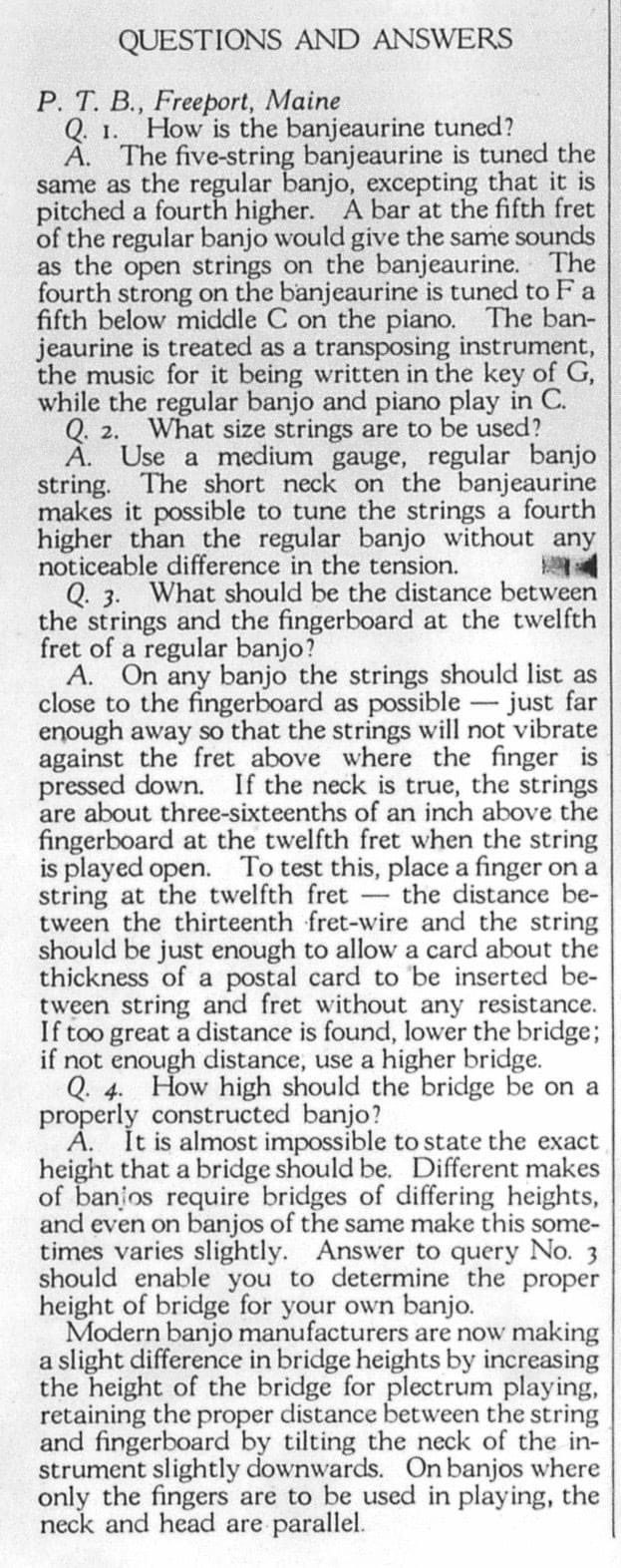
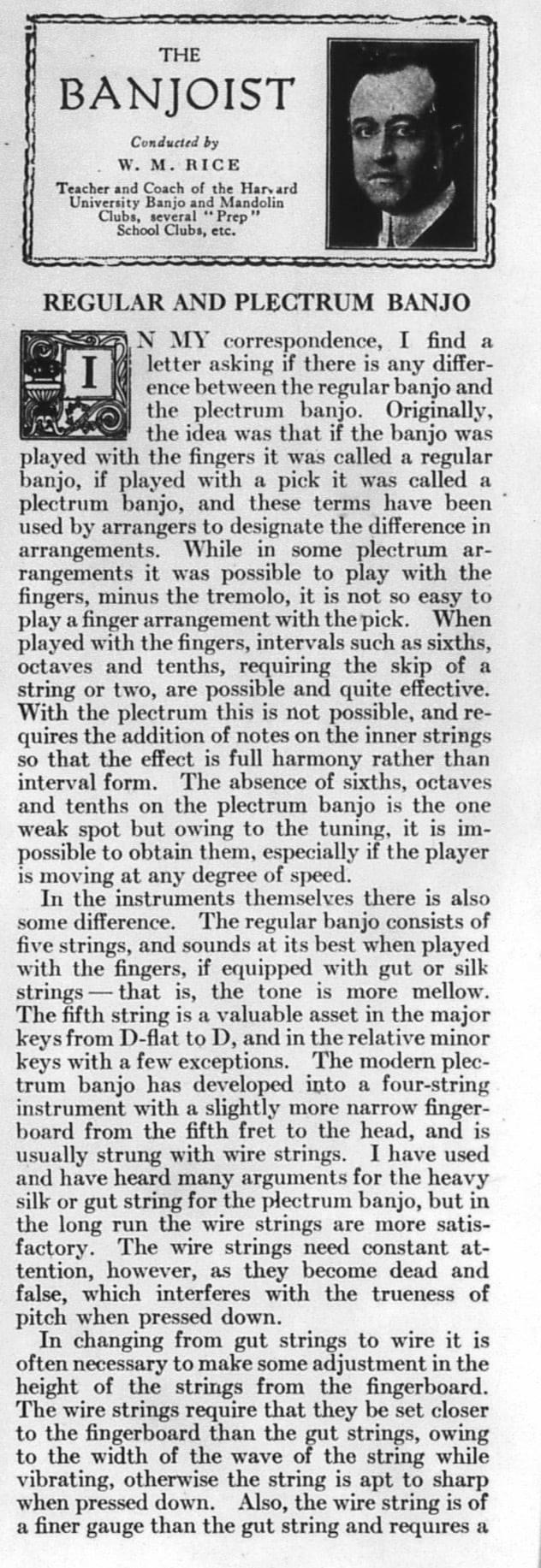
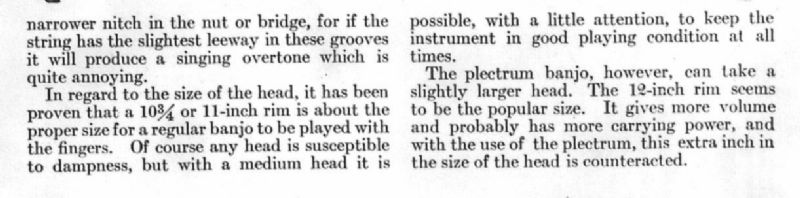
Attached below are some articles explaining the neck set. I have also included images of bridges to compare gut era bridges with modern bridges. The Neverslip is a good example of what I mean by angling the notches towards the 3rd string.
Terms of Use | Privacy Policy | Privacy Consent (EU/GDPR Only)
Copyright 2026 Banjo Hangout. All Rights Reserved.