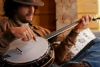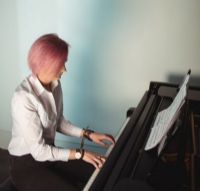
There’s something almost magical about holding a musical instrument — not just because of the sound it produces, but because of what it represents: history, craftsmanship, emotion, and potential. We don’t just play instruments — we connect with them. They become an extension of how we express ourselves when words fall short.
Instruments have always been more than objects. They are vessels. A violin carries the weight of centuries. A drum remembers ancient rituals. A synthesizer hums with the sound of the future. Somewhere between wood, wire, and wind lies the human desire to translate feeling into frequency.
Instruments as Time Machines
Pick up a sitar and you're transported to Indian palaces and smoky festival grounds. Sit behind a vintage Rhodes keyboard and you’re suddenly in a 1970s soul session. Musical instruments carry more than sound — they carry memory. They're cultural passports, letting us visit other worlds without leaving the room.
Some instruments are iconic because of where they came from. Others are iconic because of who played them — think Hendrix’s Stratocaster or Coltrane’s saxophone. These aren’t just tools of sound; they’re markers of rebellion, of movement, of change.
Sound Is Identity
The instrument you choose says something about who you are. Are you a quiet acoustic guitar at a campfire kind of soul? A jazz trumpet improviser in search of edge? A modular synth builder living in patterns and possibilities?
You don’t just play music. You shape sound around your personality. That’s why two people can play the same piano and tell two different stories. Instruments aren’t neutral — they respond to the player. They evolve with you.
The Rise of DIY and Hybrid Instruments
Today’s musicians are no longer bound by tradition. We’re in an era where a digital drum pad and a contact mic glued to a coffee mug can make chart-topping beats. Laptops are studios. Toy keyboards become lead instruments in indie records. People build their own gear. Experimental music isn’t niche anymore — it’s part of the norm.
This shift has sparked a renaissance in how we define instruments. What makes something an “instrument” anyway? If it creates sound, if it expresses meaning — isn’t that enough?
The Emotional Power of the Unseen
Here’s the thing most people don’t say: sometimes an instrument chooses you. You see it in a shop window. You hear it in someone’s hands and feel something shift inside. It’s not logical — it’s emotional.
That’s the beauty of music gear. Whether it’s a centuries-old cello or a synth downloaded to your iPad, an instrument has the power to unlock something internal, something previously unreachable.
And maybe that’s the real reason we keep picking them up — not just to make music, but to find a way back to ourselves.