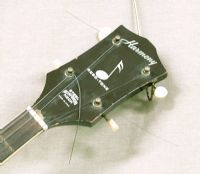
a meeting place for owners and fans of these awesome plastic banjos.
42 Members, Created 6/4/2013 - 
Administrators: jbjo (owner)
From giweb on 8/2/2014 2:13:39 PM
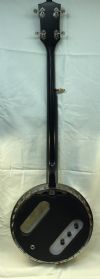
I've had a Harmony Reso-Tone Long Neck open back, with the infamous flaking chrome plating. I always believed the pot was made of bakelite (like clarinets and 1940's telephones.)
I recently acquired a Harmony Reso-Tone with center mount resonator. When I removed the resonator I noticed the counter-sink hole was machined. There was the distinctive look of phenolic resin. Phenolic resin is created by saturating fibers with hardening resin. Differing fibers offer characteristics of varying strengths and shaping abilities much like fiberglass. I don't see the look of machined phenolic in the pot. The black finish may be like a gel coat. I don't want to sacrifice my banjos to testing.
Has anybody experienced a broken reso-tone pot? Bakelite would be all pale flat black on the broken edges. Phenolic resin would show evidence of connecting fibers.
"Nothing Worthwhile is Easy!"
"Making Music is Worthwhile!"
giweb
Post a Comment | |
| You must be logged in and a member of this group to post a comment. |
|
Resotone care and feeding |
|
Forum Post: (untitled) |
|
|
Vintage Harmony + |
|
One More Dollar |
|
Forum Post: (untitled) |
|
|
Forum Post: (untitled) |
|
|
Blog Entry: Wake up call |
|
|
Video: (untitled) |
|
|
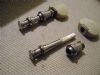
Friction tuner like the one pictured |
|
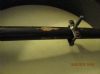
Harmony Reso-Tone dowel stick & resonator bracket |
Terms of Use | Privacy Policy | Privacy Consent (EU/GDPR Only)
Copyright 2026 Banjo Hangout. All Rights Reserved.