
DVD-quality lessons (including tabs/sheet music) available for immediate viewing on any device.
Take your playing to the next level with the help of a local or online banjo teacher.
Weekly newsletter includes free lessons, favorite member content, banjo news and more.
Premier Sponsors


|
Please note this is an archived topic, so it is locked and unable to be replied to. You may, however, start a new topic and refer to this topic with a link: http://www.banjohangout.org/archive/311983
rtdootee - Posted - 12/02/2015: 12:33:38
I recently changed from steel to nylon strings on my open-back Saga kit banjo. I'm having a hard time keeping the 1st and 5th strings from popping out of the bridge. The bridge height is 5/8 inch. Any help would be appreciated
rrryyyaaannn - Posted - 12/02/2015: 13:05:55
I use a 6" slim-taper saw file like this, designed for sharpening hand saws. It's got a steep angle and a sharp corner that makes a precise "V" cut. I know a lot of folks use different gauge files for each string slot, but I've never had a problem with a simple "V" cut. The file will set you back about $7.
rudy - Posted - 12/02/2015: 14:16:38
I don't know how you attached your strings at the tailpiece, but that can influence how much down force you have in your bridge slots. If your tailpiece is adjustable you can increase the string angle to the bridge slots.
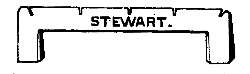
Ideally it's best to purchase an inexpensive bridge that's slightly higher and cut in deeper slots when switching to synthetics, Many banjos are not so easy to adjust for additional string height over the upper frets, so adding depth to your existing bridge can run into problems. A slightly taller second bridge will let you cut vee shaped slots easily. The vee shaped slots (if cut as shown in the diagram below) will allow the string to stay in the bridge slots and also forms a clean break point that eliminates buzzing strings.

rudy - Posted - 12/02/2015: 14:20:41
quote:
Originally posted by rudy
I don't know how you attached your strings at the tailpiece, but that can influence how much down force you have in your bridge slots. If your tailpiece is adjustable you can increase the string angle to the bridge slots.
Ideally it's best to purchase an inexpensive bridge that's slightly higher and cut in deeper slots when switching to synthetics, Many banjos are not so easy to adjust for additional string height over the upper frets, so adding depth to your existing bridge can run into problems. A slightly taller second bridge will let you cut vee shaped slots easily. The vee shaped slots (if cut as shown in the diagram below) will allow the string to stay in the bridge slots and also forms a clean break point that eliminates buzzing strings.
Ryan's info above is good, too. Those store-bought gaged slotting files from the luthier supply places are nice, but they are a recent addition to the tool arsenal and are more designed to convince folks that they need to spend a bunch of money on something they didn't know they needed. 
Joel Hooks - Posted - 12/02/2015: 17:29:56
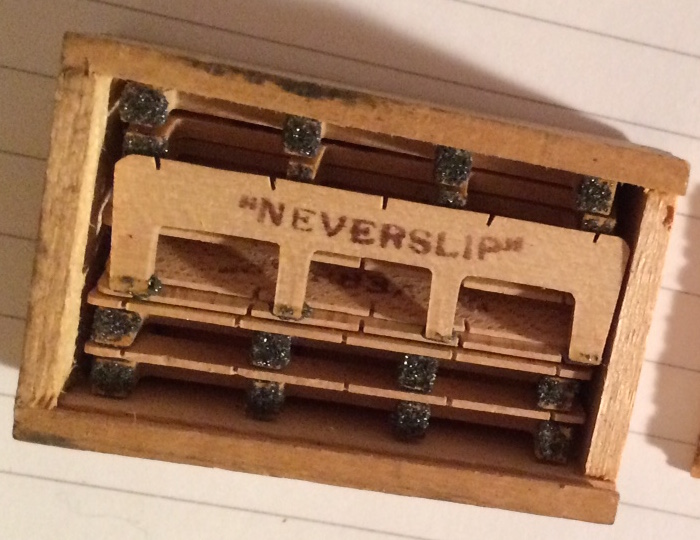
I am partial to "historical" notching that are angled in to the center, thusly, (attached).
BTW, the "modern" bridge (heavy with ebony cap) was designed in the 1920s by A. D. Grover to counteract the damage caused by wire strings on plectrum and tenor banjos. The was the only reason-- to try and keep wire from slicing into the wood or chipping out the notches.
 |  |
banjered - Posted - 12/03/2015: 06:55:03
And if you are a cheapskate like me just use a folded piece of sandpaper, good 'nuff for a bridge or two. Banjered
Terms of Use | Privacy Policy | Privacy Consent (EU/GDPR Only)
Copyright 2026 Banjo Hangout. All Rights Reserved.


